Monday, February 27, 2017

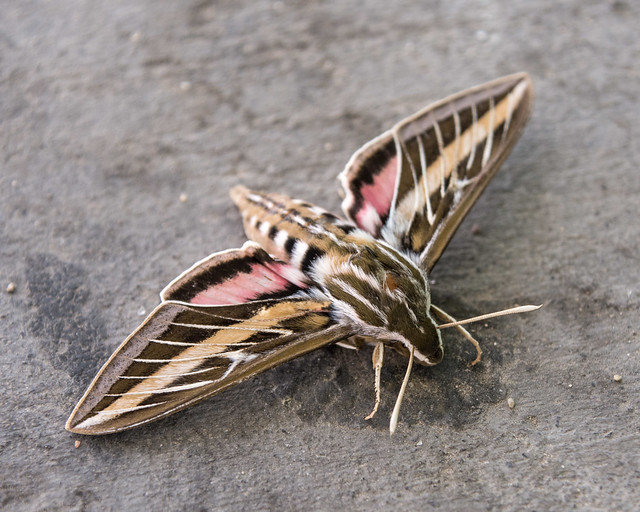
White-lined Sphinx Moth

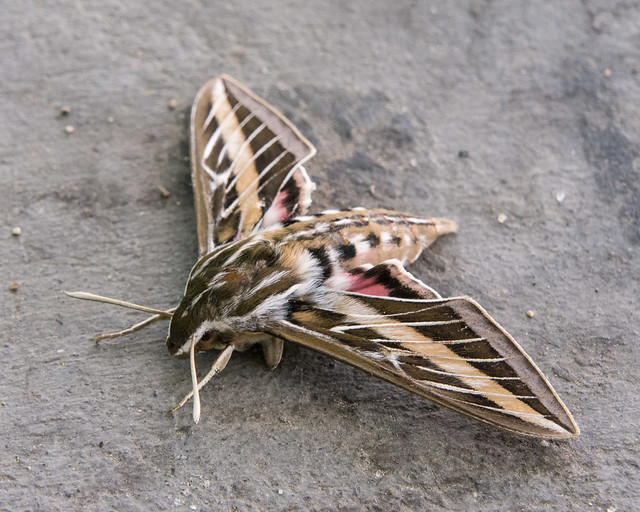
Filling up with gas in Alamo, Nevada I happened to look down and saw a moth half hiding under the gas pump. Of course, I grabbed my camera :-) It took a little nudging to get the moth out from under the pump. It was still alive but not very active. Looking it up later it appears to be a White-lined Sphinx Moth, also known as a Hummingbird Moth. (But not the same as the Hummingbird Hawk-Moth I saw in Europe.) They are listed as abundant but I don't recall seeing one before, or at least not well enough to identify. They have a large range extending from Central America to southern Canada.

I suspect this one was attracted to the lights of the gas station at night.
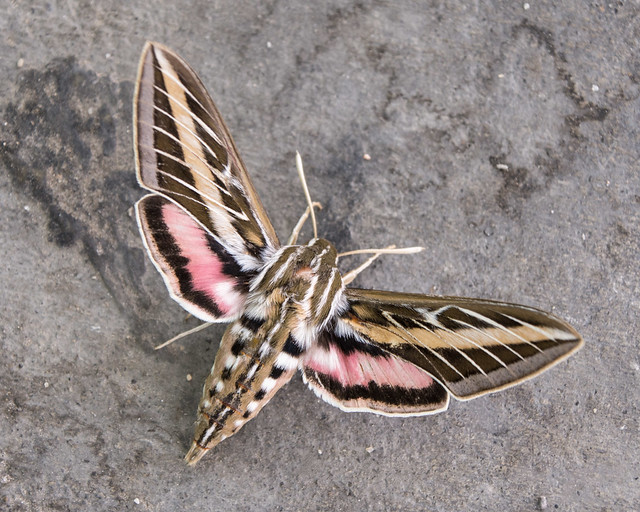
White-lined Sphinx Moth

White-lined Sphinx Moth

The pink part only shows when the wings are open. For some reason this moth was opening its wings, perhaps wanting to fly away, although it didn't seem healthy enough for that.
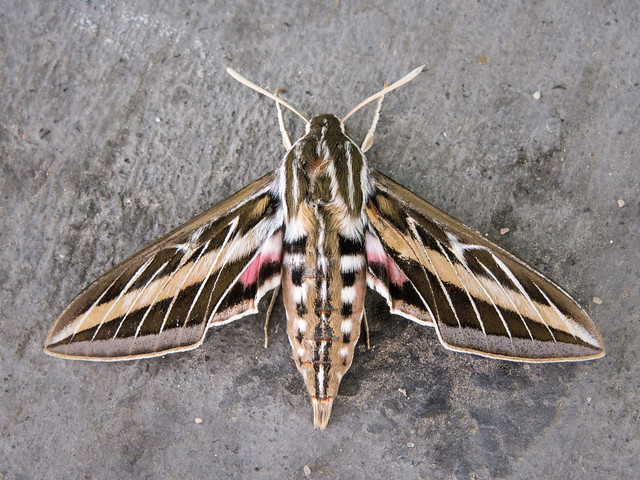
White-lined Sphinx Moth

White-lined Sphinx Moth

Nice to encounter a piece of nature even in as mundane a place as a gas station.

Friday, February 24, 2017

Springs Preserve, Las Vegas

One of our favorite places in Las Vegas is Springs Preserve. Unlike most people, we stay on the edge of town near Red Rocks (where we climb) and don't visit the strip or go shopping. If you're careful where you go and squint a little, Vegas can almost appear to be a "normal" city (as far as there is such a thing).

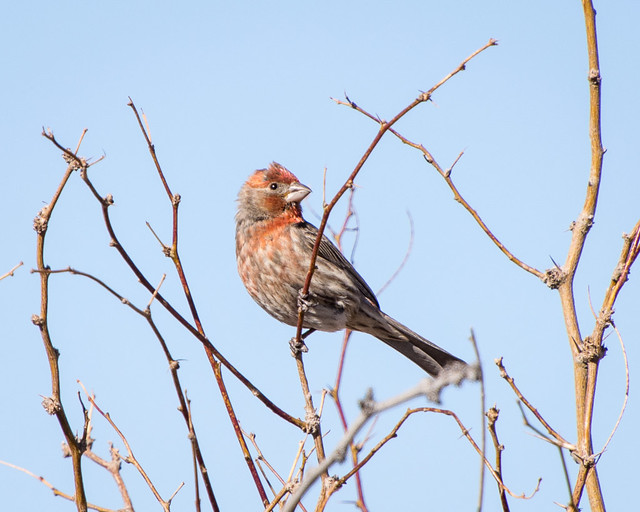
It seems a little artificial to go to Springs Preserve instead of just visiting the actual desert but the advantage is that there are a range of habitats and plants concentrated in a small area. And usually birds attracted by the water and flowers, although often just common ones like this House Finch.

House Finch

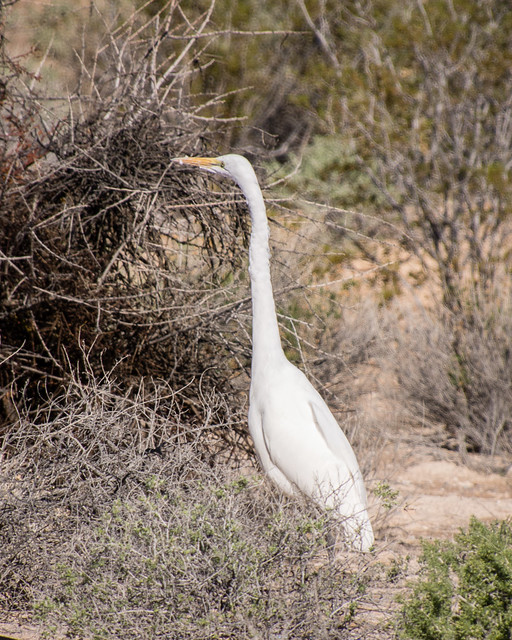
I was surprised to see this Great Egret out in the desert, usually they are by the water. Maybe he was hunting lizards.

Great Egret

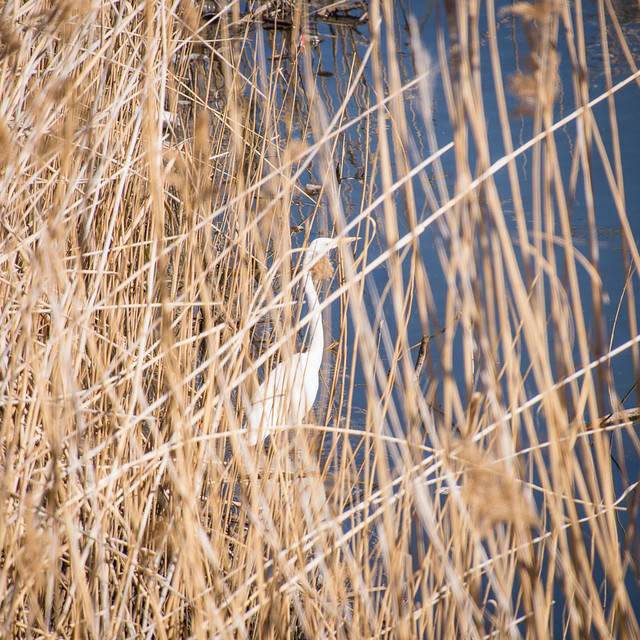
Later we saw (the same?) one in a more expected spot by the water.

Great Egret

I didn't get any photos of them, but we saw a couple of cormorants fly in and land on the water. Later we saw them take off. They are not the most elegant fliers (better underwater) and they always struggle a bit to take off. But this time, one of them crashed into a bush just past the water! It reappeared and waddled down the beach and back into the water. If it had been me, I would have been hoping no one had seen it happen!

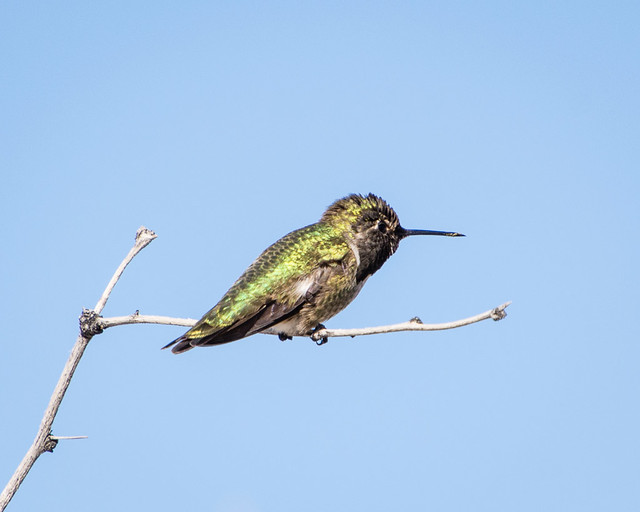
As usual, there were a few hummingbirds around, although not many flowers for them. I couldn't get very close so didn't get great photos.

hummingbird

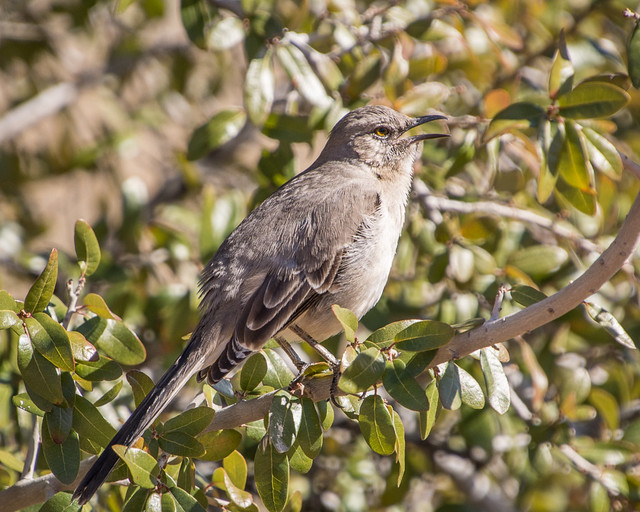
The most common birds on this visit were Northern Mockingbirds. This one was singing up a storm and let us approach quite close.

Northern Mockingbird

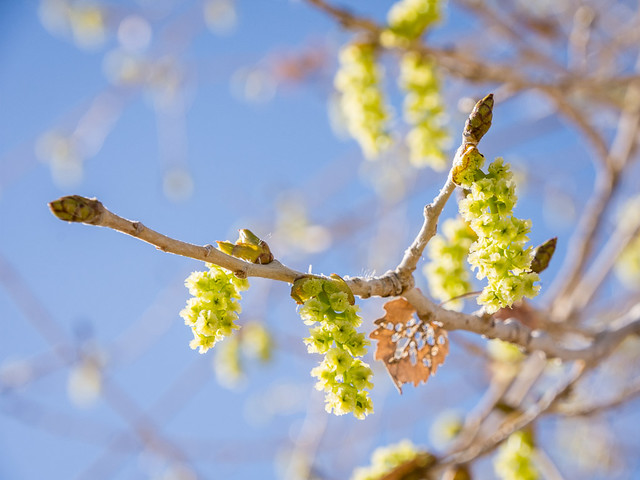
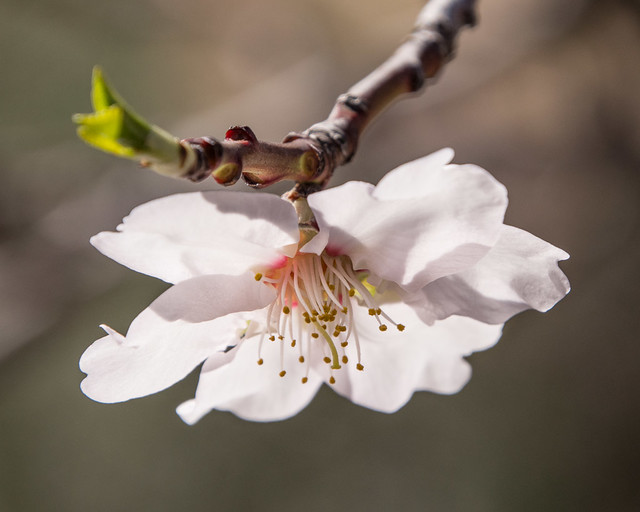
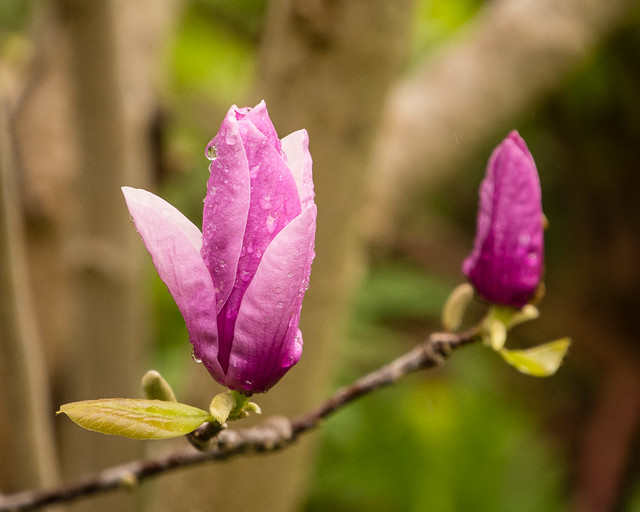
Of course, I enjoy the plants as well as the birds. It's a treat to see spring so early in the year (relative to Saskatchewan). Some of the trees were flowering:

tree flowering

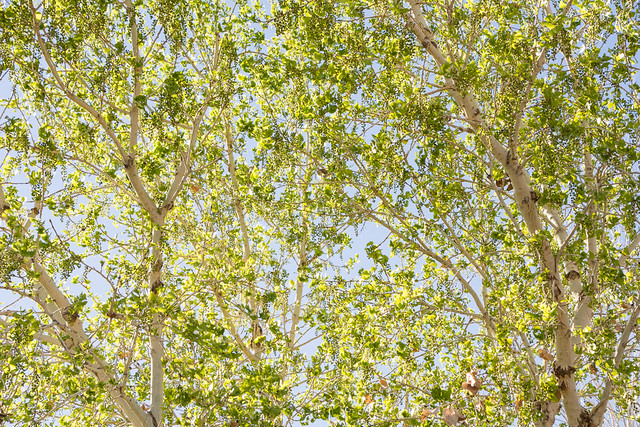
And some of the leaves were coming out. I always love the color of new leaves on the trees:

new leaves on trees

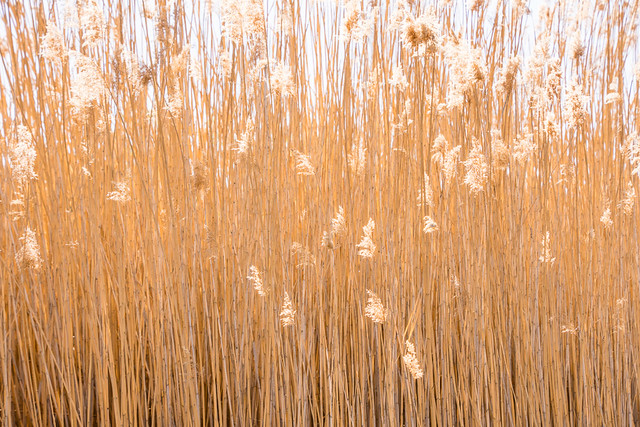
And tall grasses backlit by the sun:

backlit grass

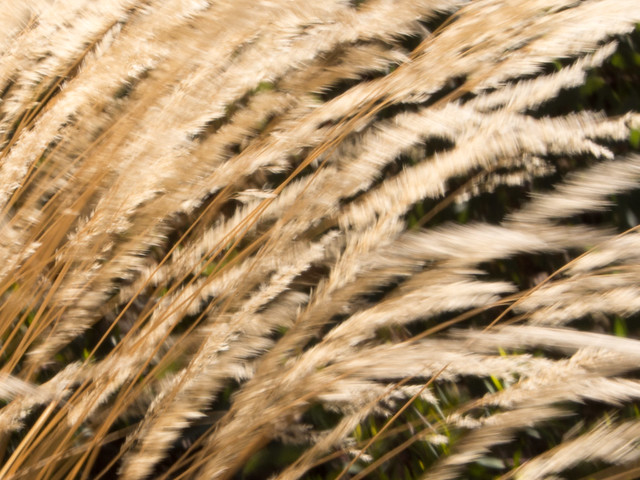
I got frustrated because these ones kept blowing in the wind when I was trying to photograph them. So I switched to a longer exposure and embraced the blur :-)

grass blowing in wind

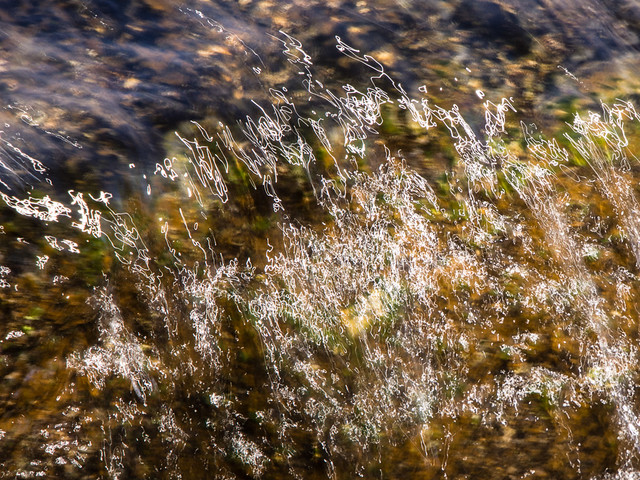
One of the reasons for the plants and animals here is the water. I'm always fascinated how the reflection of the sun traces lines as the water moves (with a long exposure, in this case 1/30 of a second).

sun glinting on water

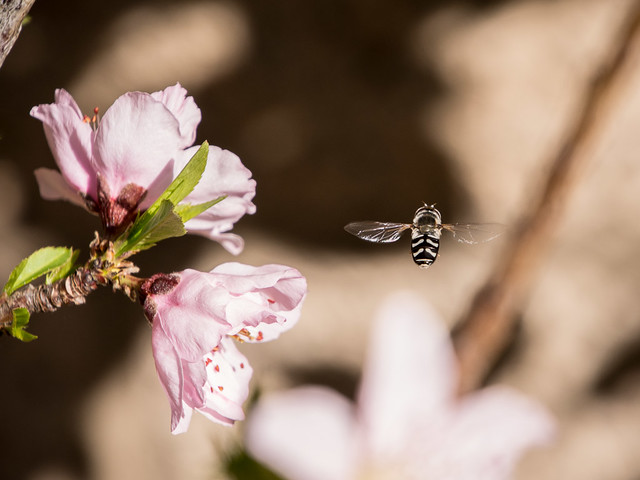
Normally I wouldn't even attempt to photograph hovering insects but this one was surprisingly cooperative. Not sure what kind it is.

insect visiting flowers

flowering trees

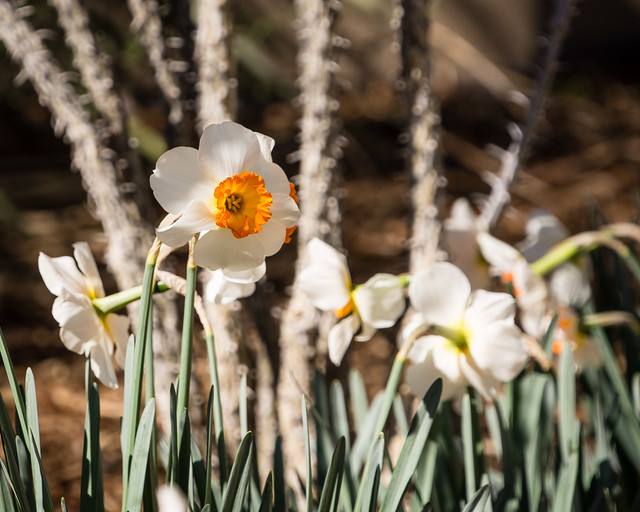
Funny to see domestic flowers beside the ocotillo.

spring flowers

flowers

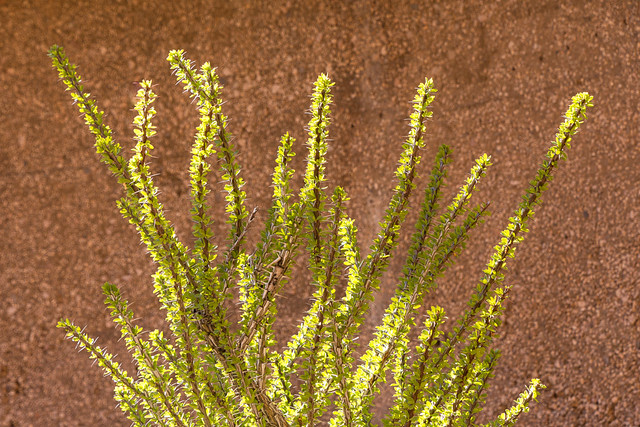
Some of the ocotillos had lots of leaves - must be getting water. (In the desert they are bare sticks most of the year.)

ocotiilo with leaves

See all 35 photos as a slideshow or overview

Wednesday, February 22, 2017

Santa Barbara Zoo

The Santa Barbara Zoo is one of my favorite small zoos. I'm always happy to spend a few hours wandering there. Apart from the animals, the grounds are full of trees and plants.

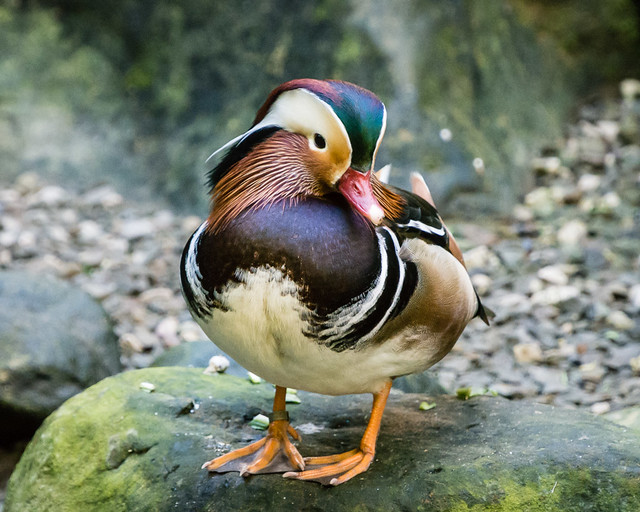
I always appreciate opportunities to photograph the animals without bars or dirty windows in the way. Walk in aviaries are good. Sometimes the birds are too good at hiding, but not these flashy Mandarin ducks.

Mandarin duck

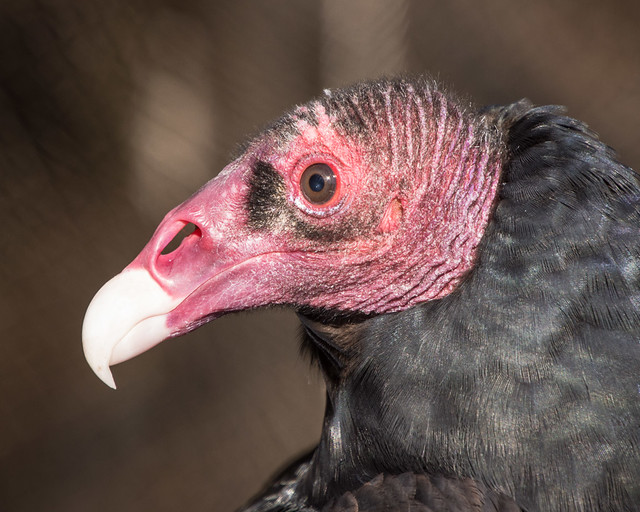
Most people probably wouldn't find turkey vultures attractive, but it's interesting to see them close up, rather than just soaring in the distance. This one was close to the fence where I could get some good photos.

Turkey vulture

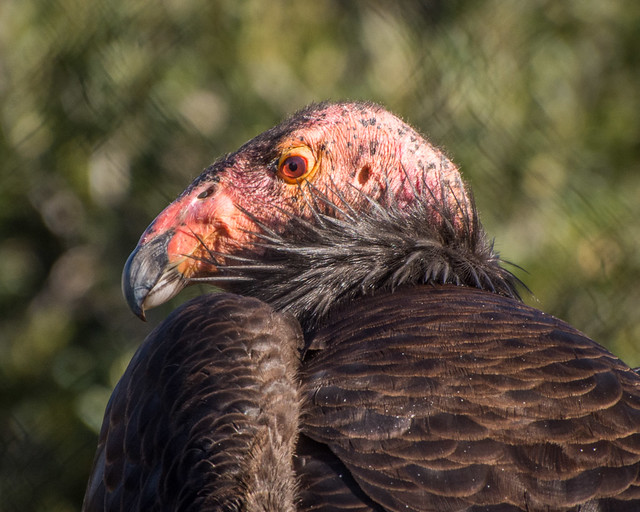
The California condors are somewhat similar to the Turkey vultures, but much bigger.

California condor

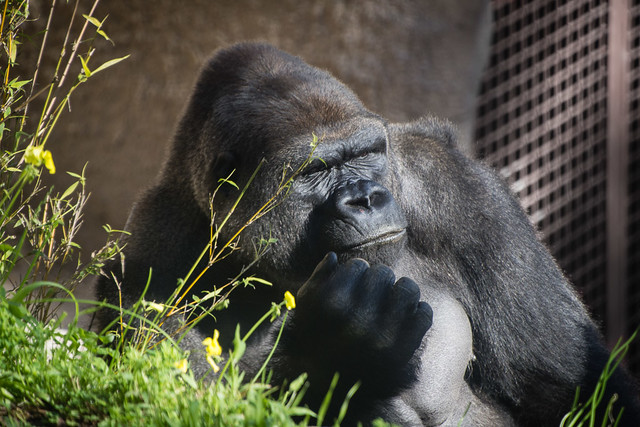
I like to catch the animals showing "personality". This gorilla is looking thoughtful.

Gorilla

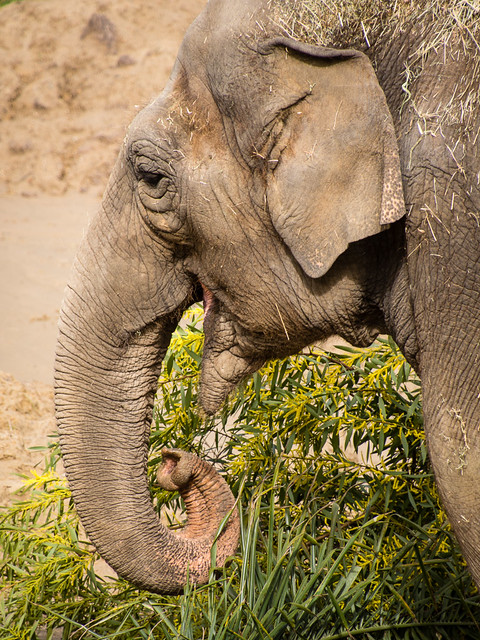
One of the elephants was happily eating, despite not having any teeth left to chew with.

elephant

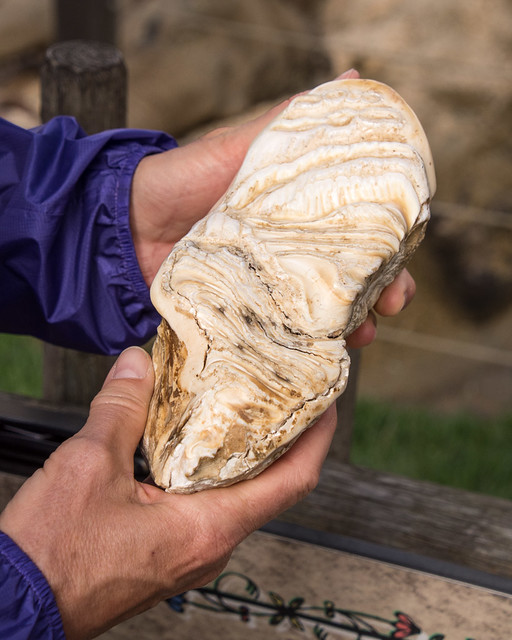
Here's one of the teeth she lost:

elephant tooth

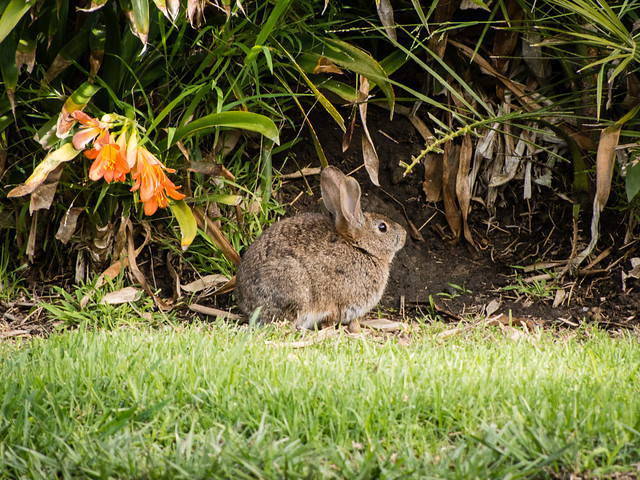
Most zoos have some unofficial residents, like this cottontail rabbit:

rabbit

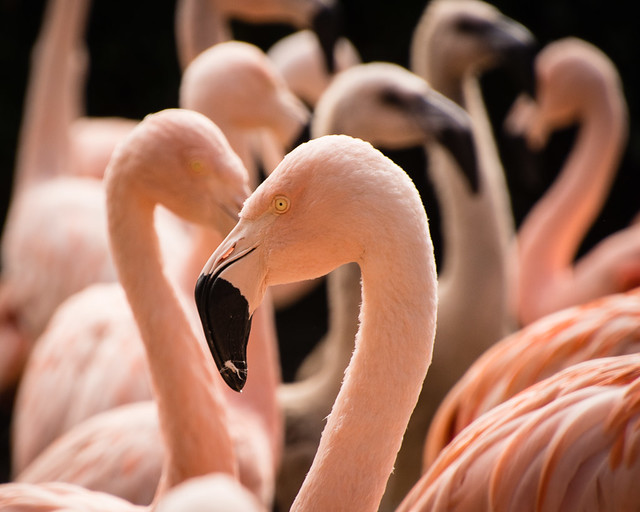
The keeper was cleaning their enclosures so the flamingoes had moved closer to us. There were several juveniles (the gray ones in the background).

flamingoes

More exotic birds in an aviary:

bird

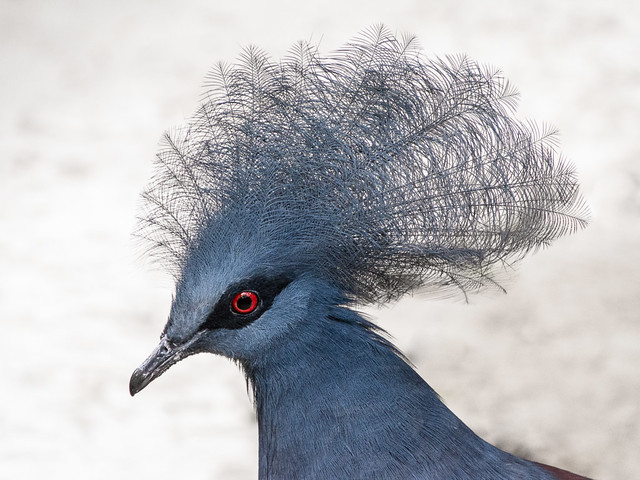
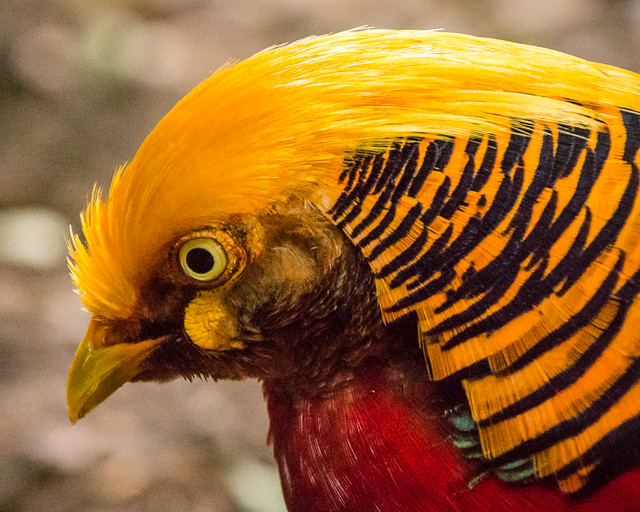
colorful bird

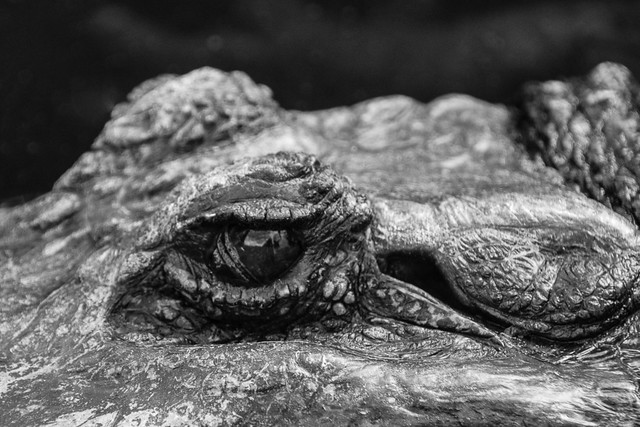
And a final closeup of the American alligator:

American alligator

See all 42 photos as a slideshow or overview

Monday, February 20, 2017

Santa Barbara Botanic Garden

We loved the Santa Barbara Botanic Garden. I'm surprised we hadn't made it here on previous visits. Some of the gardens were closed due to the torrential rain but there was still plenty to see.

flowers

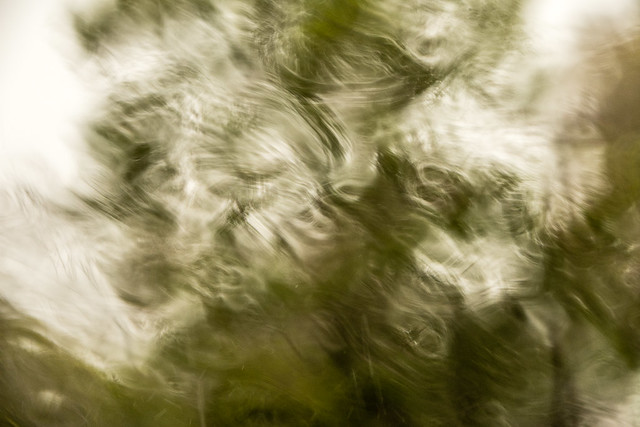
Even the view through a rainy car window can be interesting :-)

through a rainy window

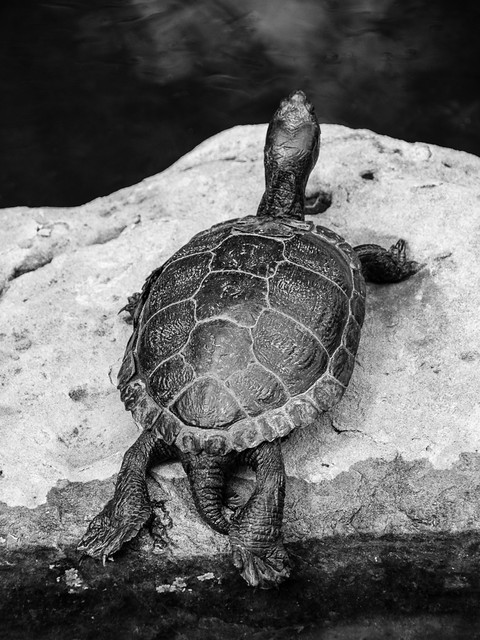
A small pond was inhabited by several turtles:

turtle

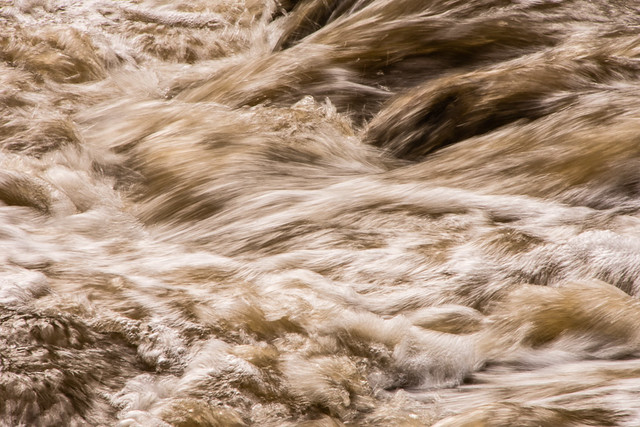
The creek was still strong and muddy from the recent rain:

rushing water

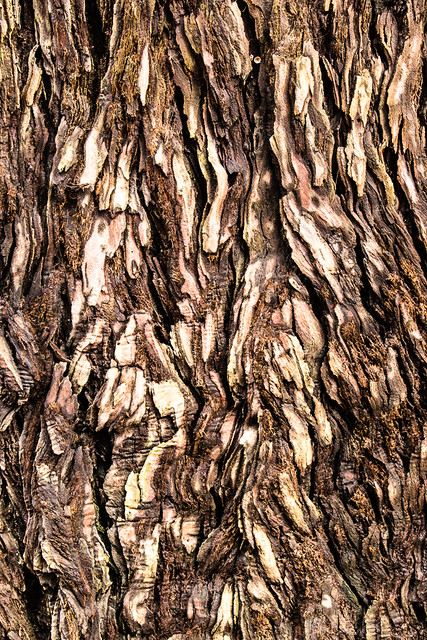
The garden even has a small grove of redwood trees. The wet bark made interesting patterns:

tree bark

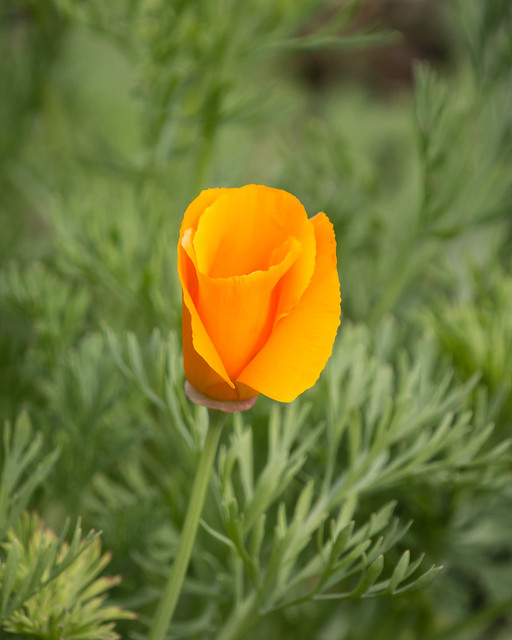
We saw a few California poppies on the local hillsides but I suspect it's still early for them.

California poppy

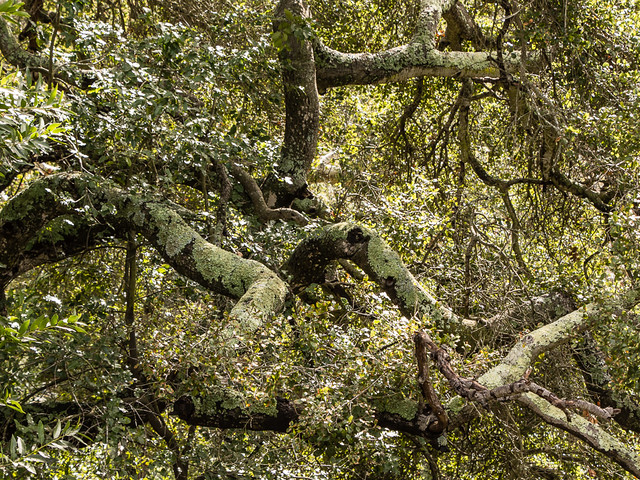
I enjoyed just looking at the trees in the garden.

tree branches

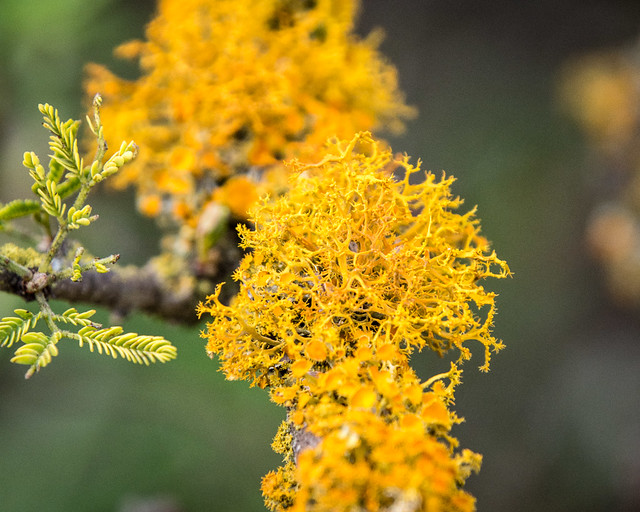
Some of the trees had interesting lichens on them.

lichen

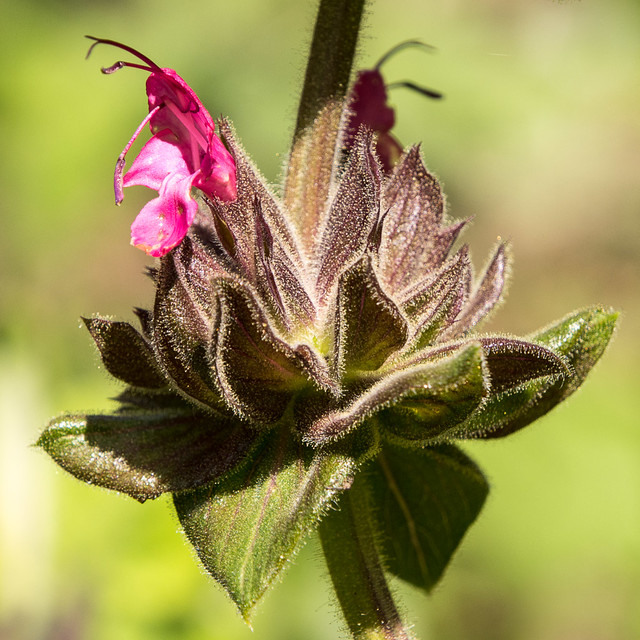
And there were some interesting flowers:

flowers

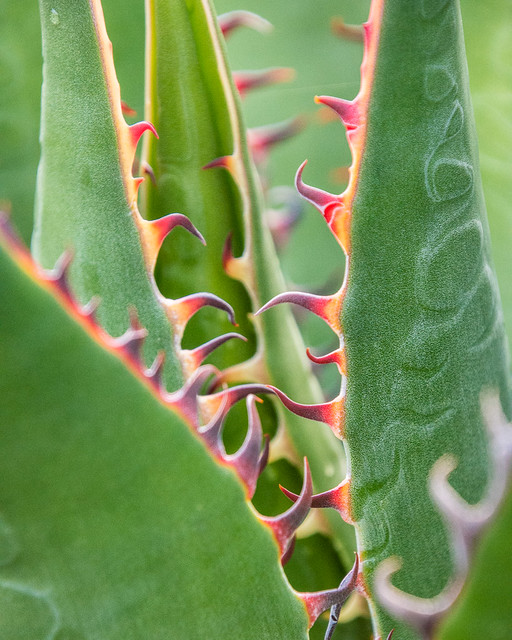
Even the agaves had some color:

Agave

If you're in the area and you like gardens, it's definitely worth a visit.

See all 25 photos as a slideshow or overview

Sunday, February 19, 2017

Tucson Arizona-Sonora Desert Museum

The Arizona-Sonora Desert Museum is one of our favorite spots in Tucson. Although it does have some indoor exhibits, most of it is spread out over a large outdoor natural area. It is popular but because there are miles of trails people get spread out and it doesn't seem crowded. (They even have a small aquarium, which seems incongruous at a "desert" museum!)
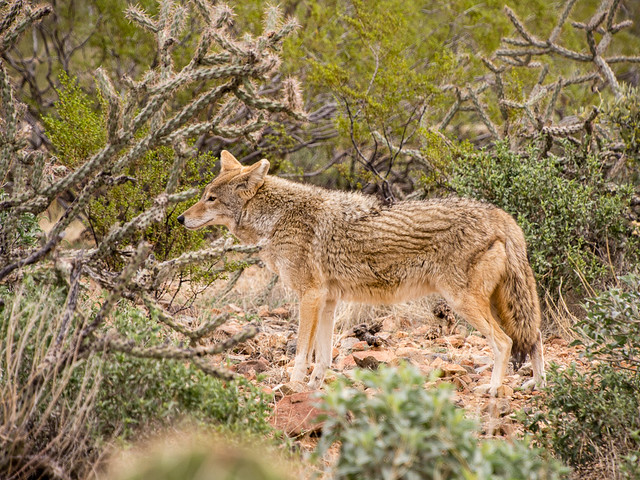
Many of the animals are in large natural looking areas with no obvious bars or fences, like the coyotes.

coyote

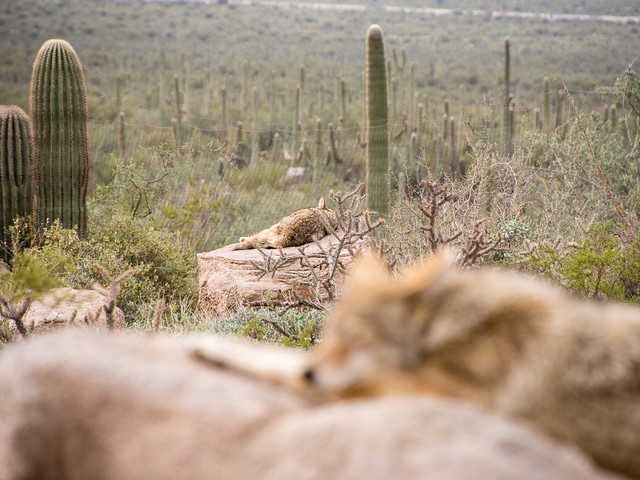
A bit later they were sleeping in the sun. (The fence is just visible in the background.)
coyotes

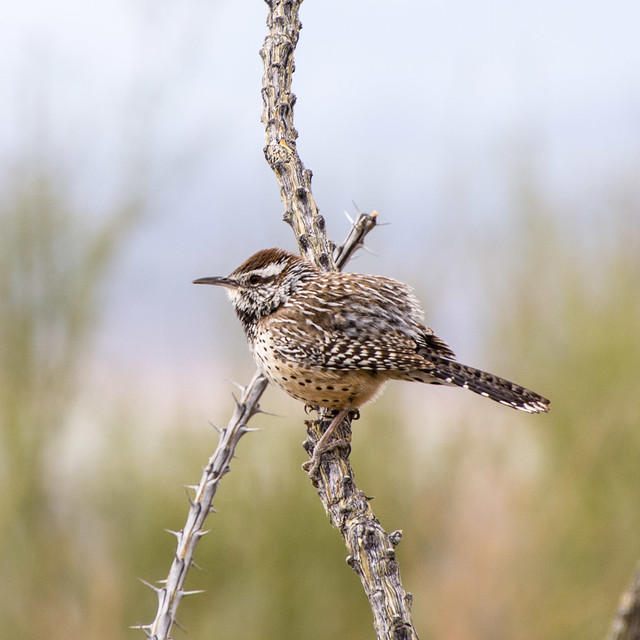
It wasn't the best time for bird watching, but I always enjoy the common cactus wrens.
Cactus wren

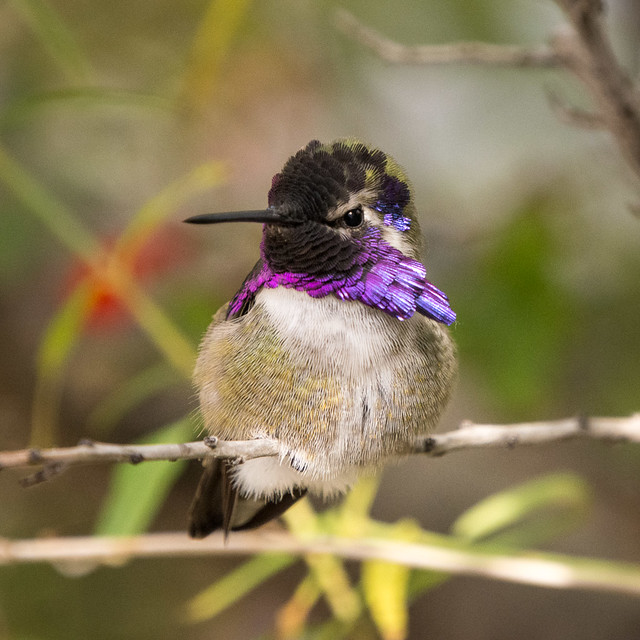
The hummingbirds in the aviary were a little easier to photograph.

hummingbird

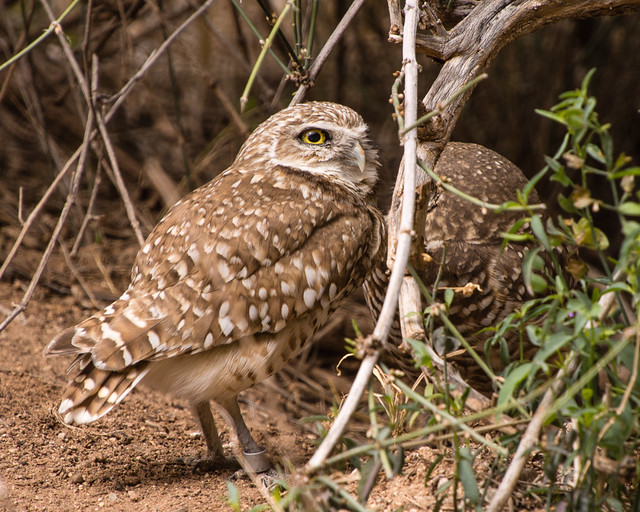
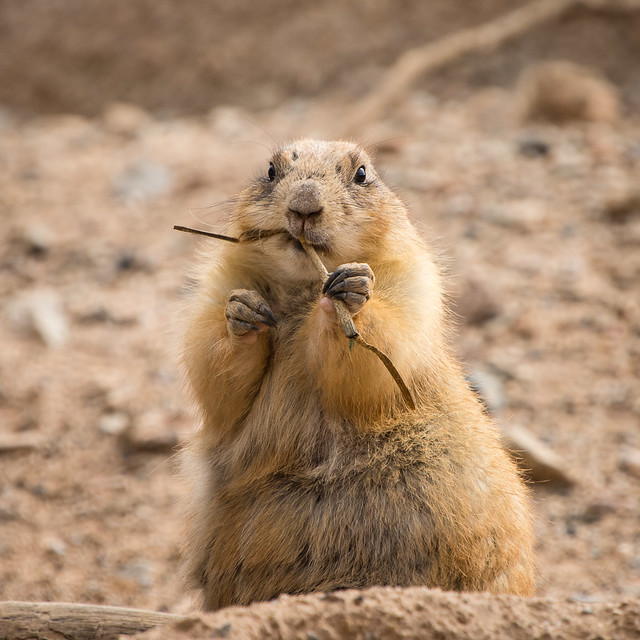
People here are always surprised that we have desert-like areas in Canada with some of the same wildlife, like Burrowing Owls and Prairie Dogs.

Burrowing owls

Prairie dog

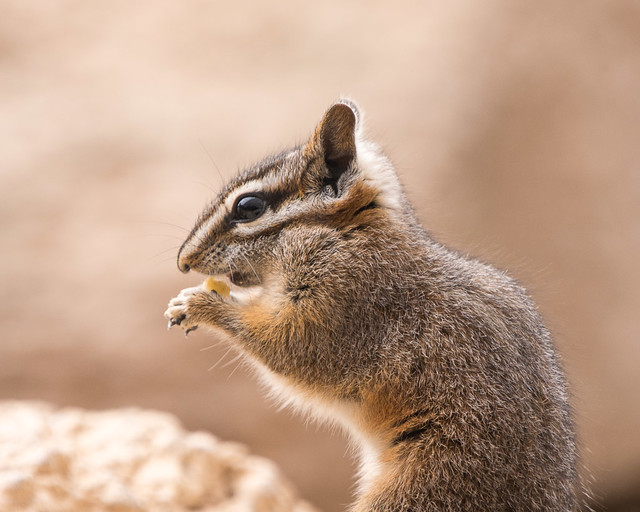
chipmunk

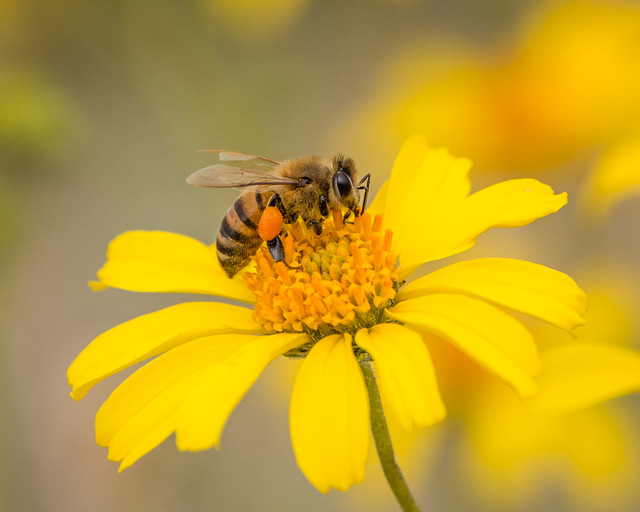
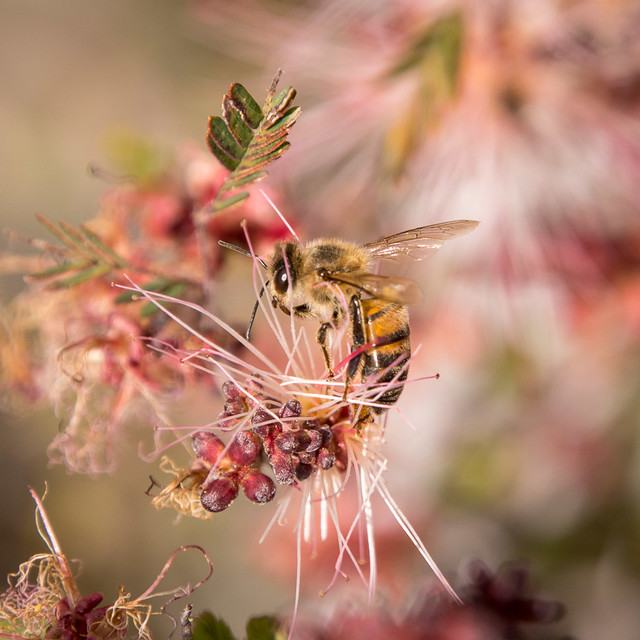
There were enough flowers out for the bees to be busy.

bee on flowers

bee on flowers

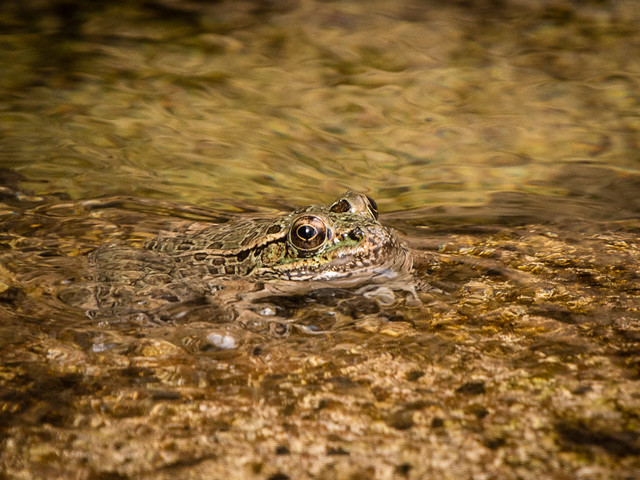
frog

Of course, they have a lot more kinds of cactus here than we do in Canada.

cactus

cactus

And unlike most zoos, which only have crappy fast food, there is a nice restaurant where you can take a break from walking the trails.

See all 38 photos as a slideshow or overview

(Also photos from a previous visit)