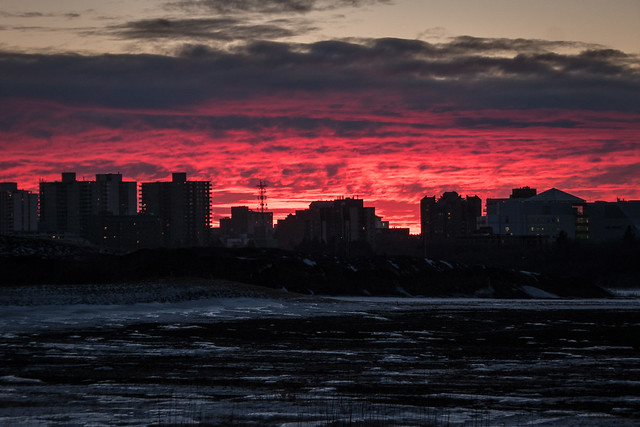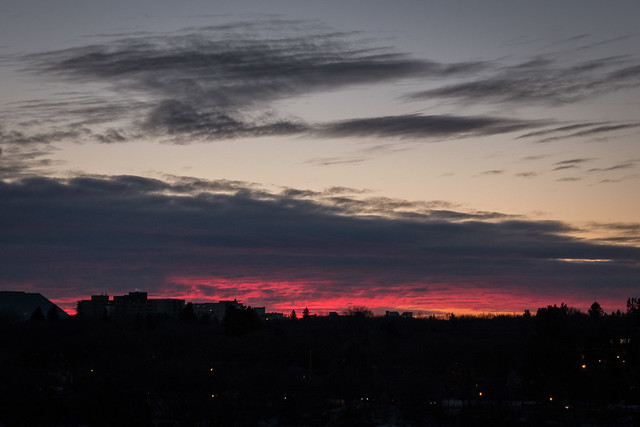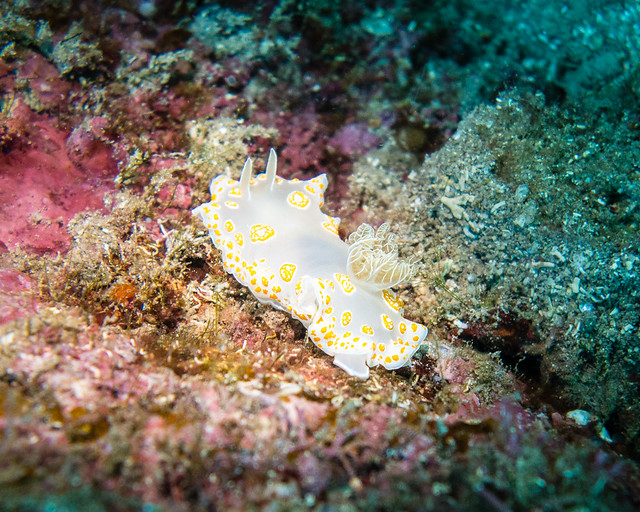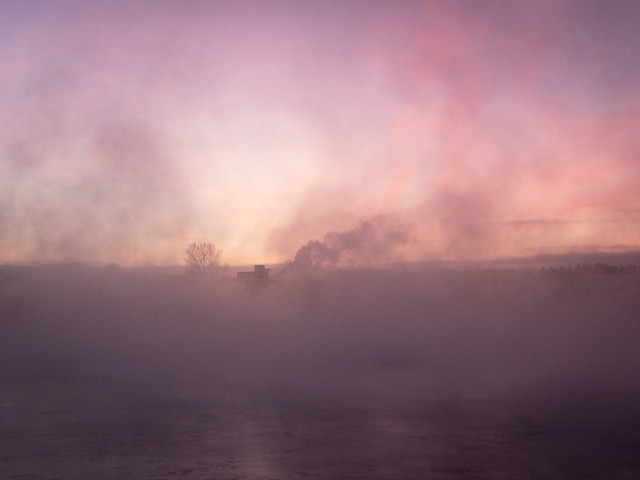
Friday, February 09, 2018

Macau

20180206-DSC_3522

We hadn’t been to Macau before so we decided to take a day trip to check it out. We weren’t too excited by the casinos, but Macau has an interesting history. Hong Kong was a British outpost, while Macau was Portuguese. And like Hong Kong, it was returned to the Chinese, ending European colonialism in Asia. However, as a Special Administrative Region (like Hong Kong) it maintains its own government, immigration, and currency. A waitress told us it was extremely hard to immigrate to Macau. Much easier to get into Canada, she said. Although the population is almost all Chinese, there are still signs in Portuguese.

The first battle was to get away from the ferry terminal on foot. Hong Kong is quite pedestrian oriented but the Macau terminal was surrounded by freeways. In hindsight we would have been better off to take a casino shuttle and walk from there but we didn’t know that at the time. We managed to find a pedestrian overpass and then a couple of pedestrian elevators (!) to get us into the older part of town. We encountered some lovely patterned cobbled streets and buildings with ornate metal railings reminiscent of New Orleans.

With a population of 650,000 in 12 square miles, Macau (aka Macao) is the most densely populated place in the world. But it wasn’t busy until we go to the tourist areas around the ruins of St Paul’s Cathedral and Senado Square. We had seen photos of the square with the old Portuguese buildings around it, but the reality was a flood of humanity, Chinese New Years decorations obscuring the buildings, and high end shopping (e.g. Rolex).

By this time we were getting hungry for lunch but had no idea where to go. My downloaded Google map had a single restaurant marked - Margaret's CafĂ© e Nata. We had no idea what was significant about it, but it seemed worth a try. We  circled it via iPhone GPS until we finally found the right back alley. The tiny takeout cafe had a big crowd around it. We queued up, still not knowing what we were getting into. The specialty turned out to be Portuguese egg tarts. I was expecting something savoury but they were actually sweet. I'm still not sure what the big attraction was!

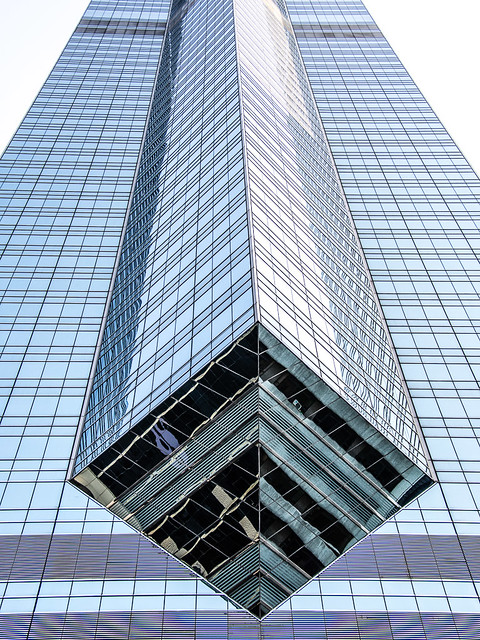
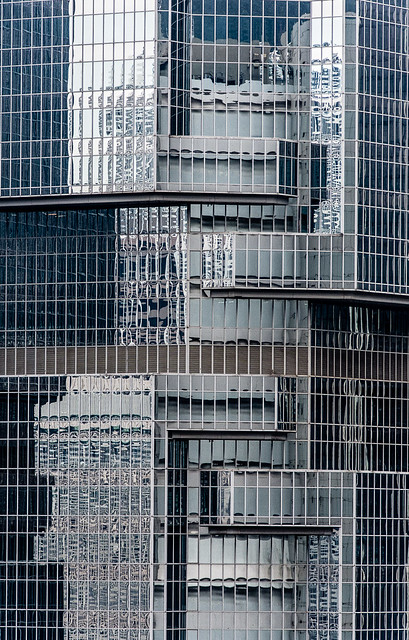
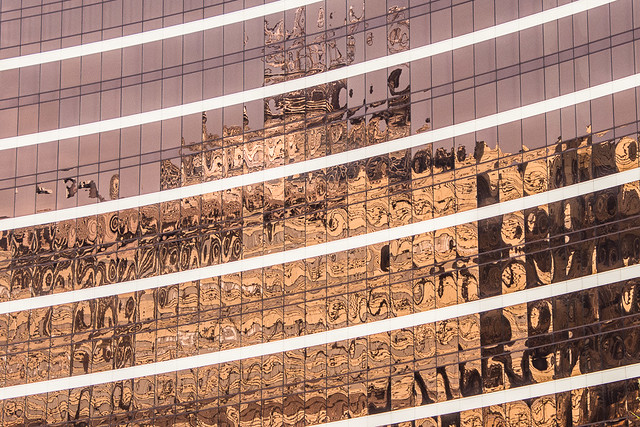
We figured we'd better at least check out some of the casinos. In 2007 Macau surpassed Las Vegas for gambling revenue. But apart from fancy buildings, we didn't find much to get excited about. We managed to find a quiet spot for (expensive) coffee in the Wynn, where we also got a free shuttle back to the ferry. I took a few photos of the shiny buildings.
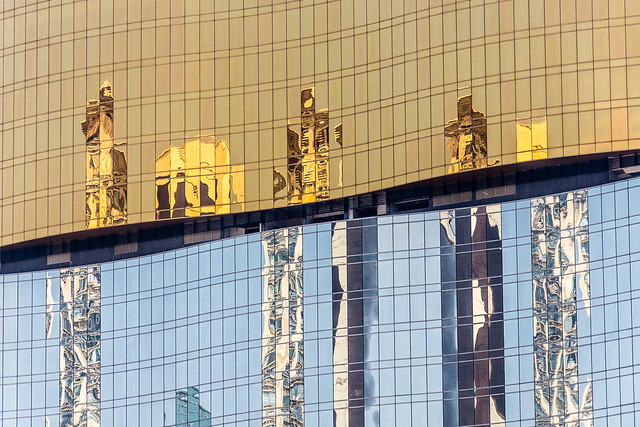
20180206-DSC_3526

And the never ending window cleaning work.
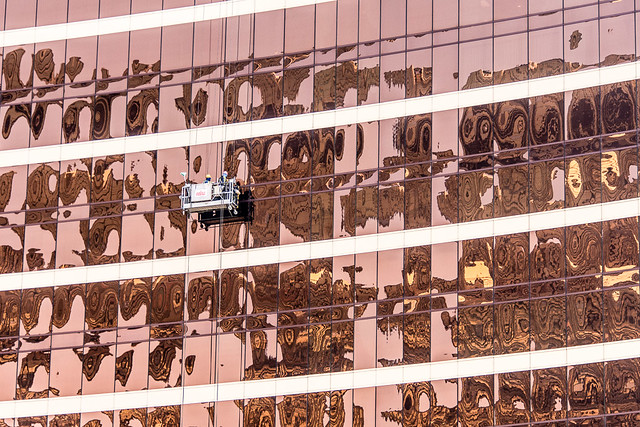
20180206-DSC_3531

And a few more building reflection shots from back in Hong Kong.
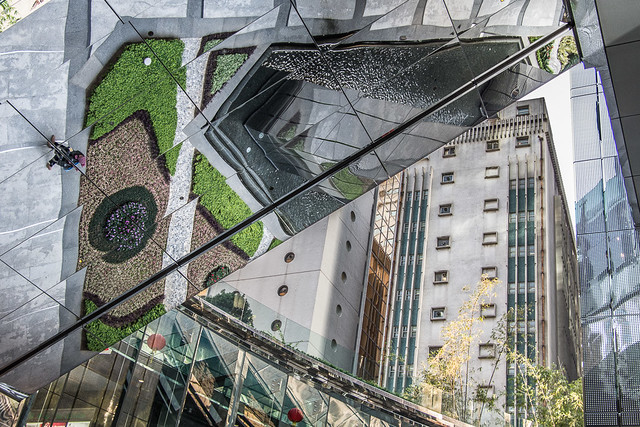
building reflections

skyscraper reflections

Monday, February 05, 2018

Hong Kong

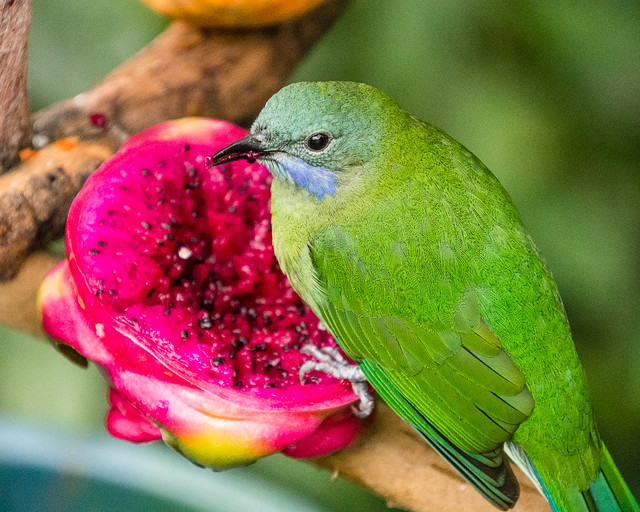
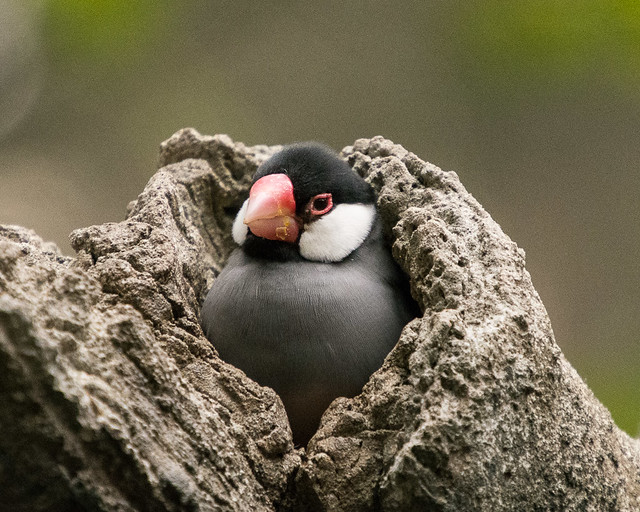
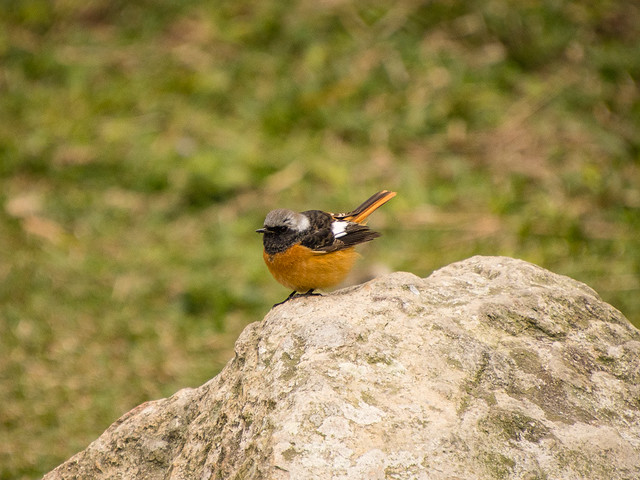
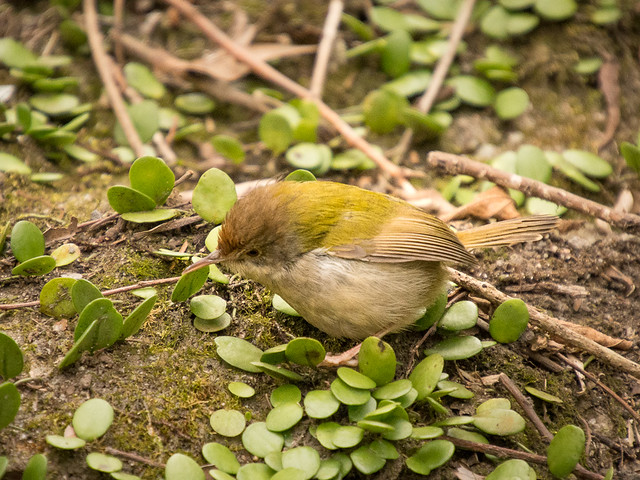
Our first day in Hong Kong we planned to take the tram up Victoria Peak to go for a hike (good for jet lag) but the crowds were too much for us - we'd forgotten it was Sunday. So we went to the free public aviary and zoo instead. They were busy too, but not as bad.

bird

I always enjoy walk through aviaries. It's a little harder to spot the birds than in little cages, but it's more natural and you don't have to try to photograph through mesh. And the birds are used to people so you can often get quite close.

bird

Although it's verging on bigger than I'd like, I'm quite happy with the new Tamron 18 - 400 lens. The extra reach was great for the birds. It was a cloudy day and quite dim light in the aviary so I was definitely depending on the high ISO abilities of modern cameras.

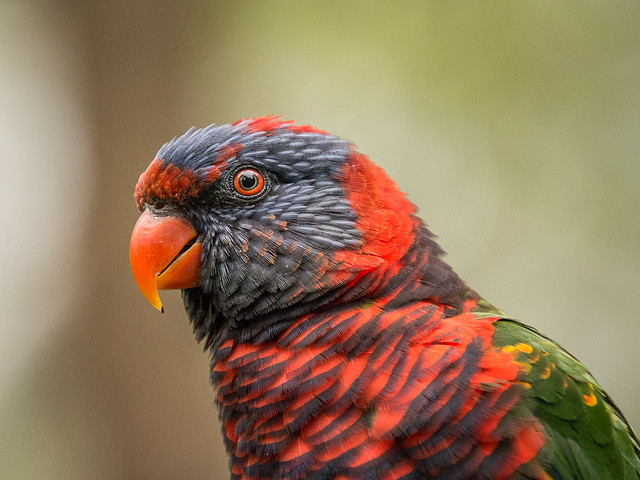
lorikeet

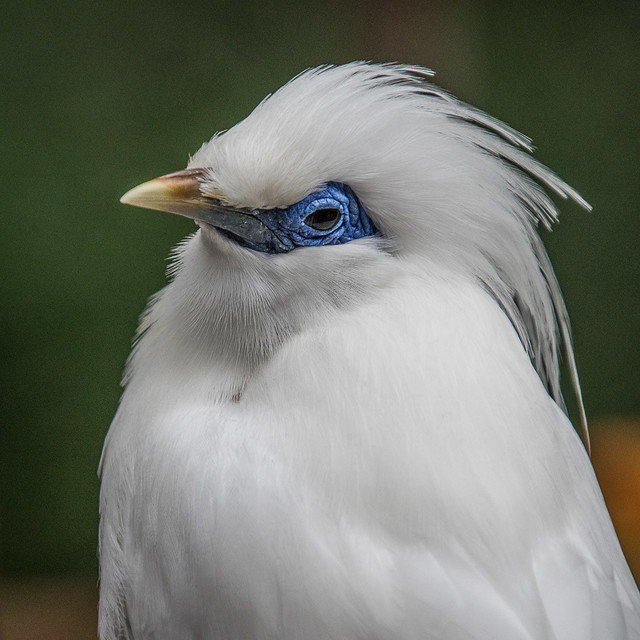
Java sparrow

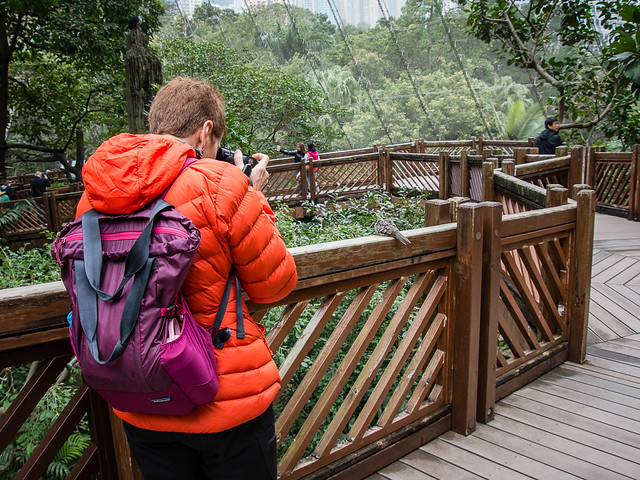
Shelley complains that I wear drab colors (gray and black) that don't show up well in photographs. You can't say the same about her!

Shelley in the aviary

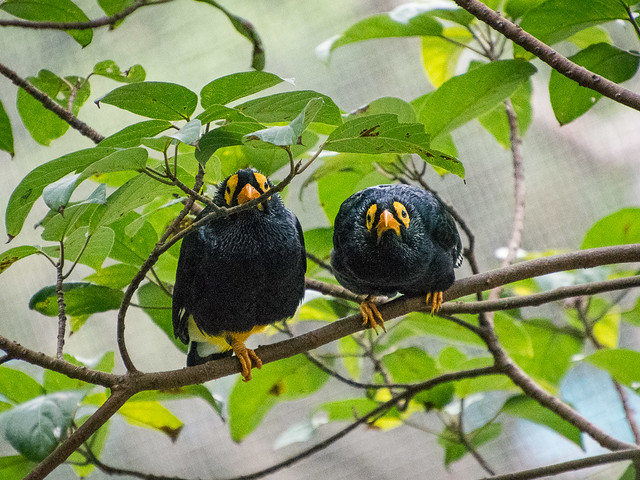
These two seem quite curious about me.

birds

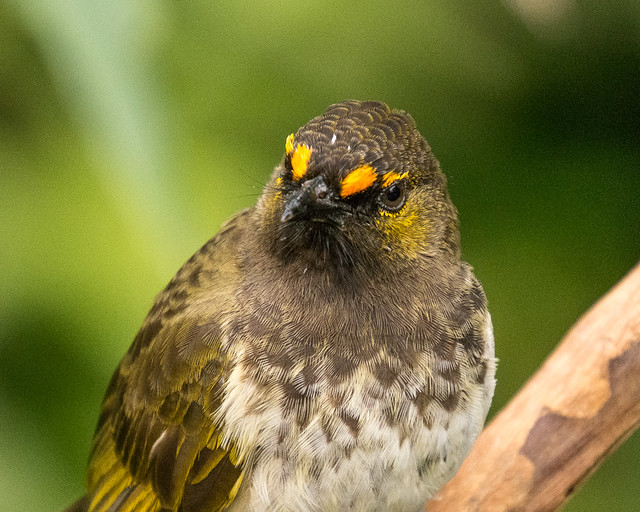
I like close up "portraits" of birds that let you see the details.

bird

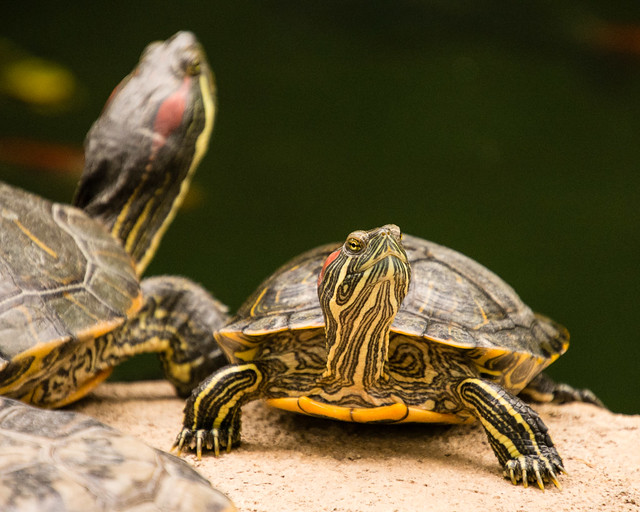
Walking through the park I was on the lookout for turtles in the ponds. At first I thought it must be too cool for them to be out, but for some reason they were all congregated in one small pond.

20180203-DSC_3413

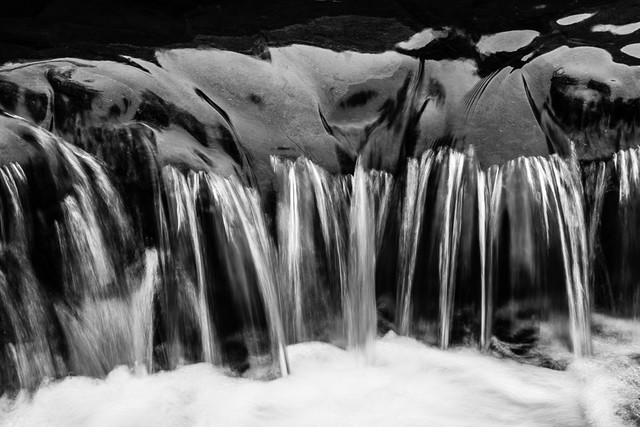
Of course, the water itself was also a worthy subject.

water

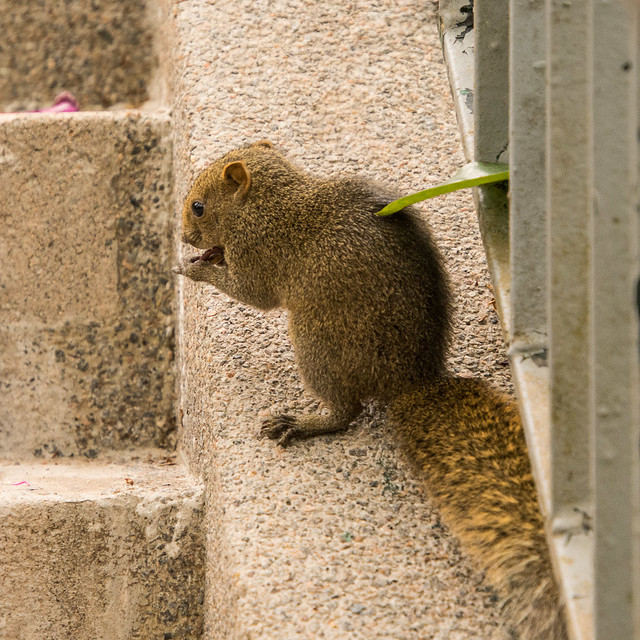
Unofficial resident of the zoo:

squirrel

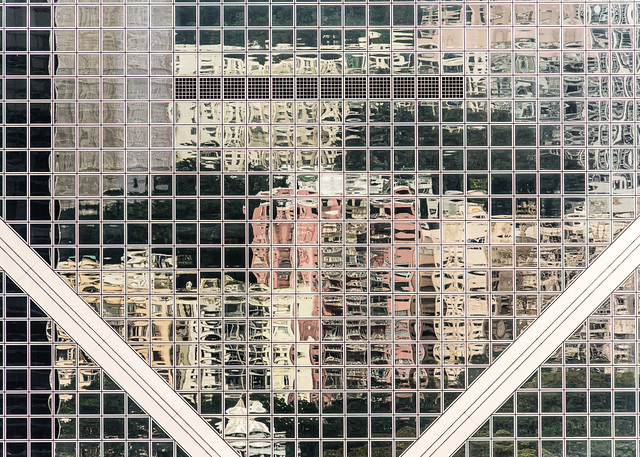
I'm not a big fan of cities, but the reflections catch my eye:

building reflections

building reflections

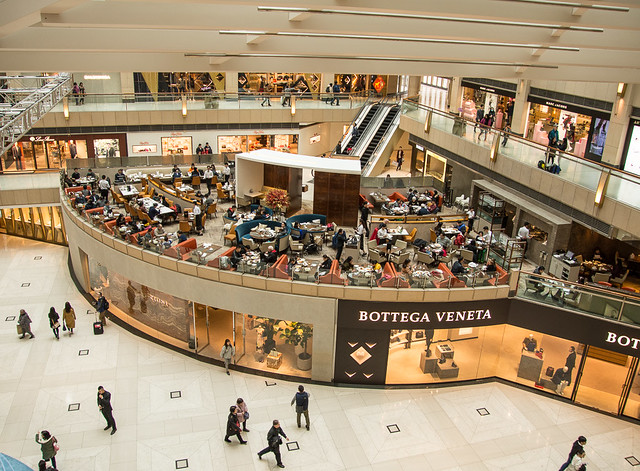
And just to prove that we did at least walk through the malls.

in the mall

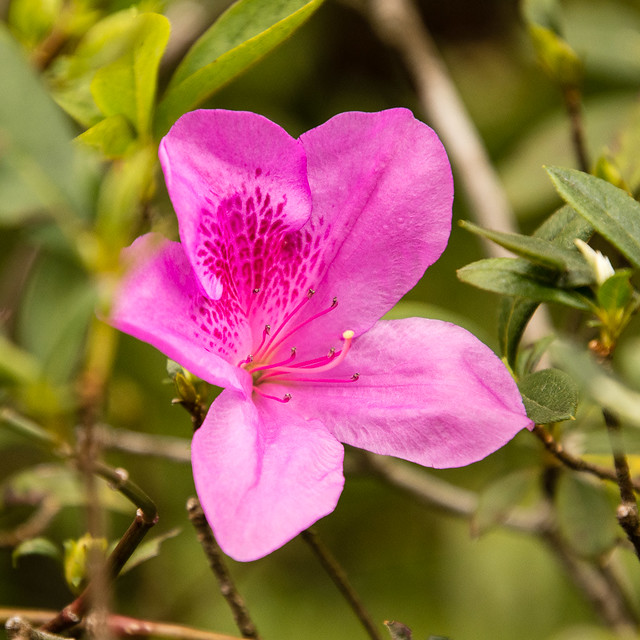
The next day we made it up to Victoria Peak for a good walk. The rhododendrons are just starting to bloom. (We're hoping to see more in Nepal.)

rhododendron flower

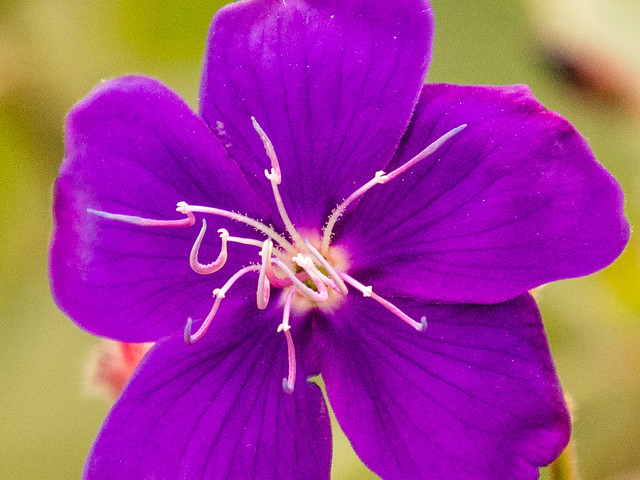
Only a few other flowers

flower

And I managed to catch a few of the skittish wild birds

bird

bird

See all 33 photos

Sunday, February 04, 2018

Window Seat

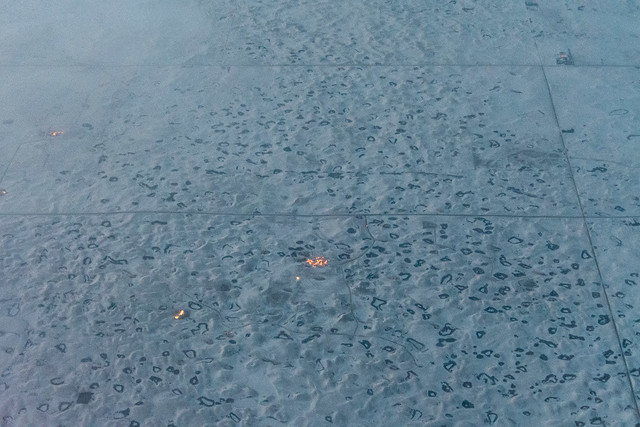
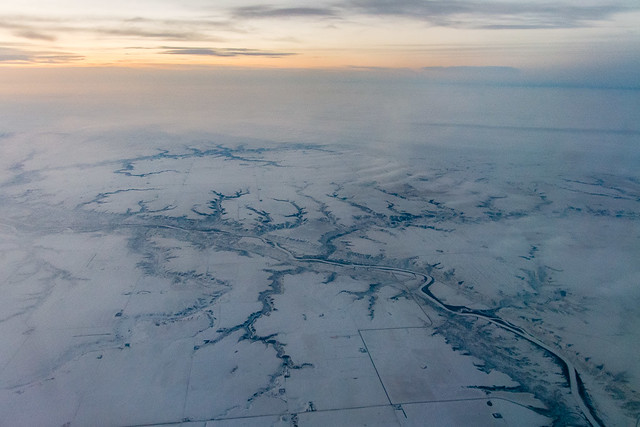
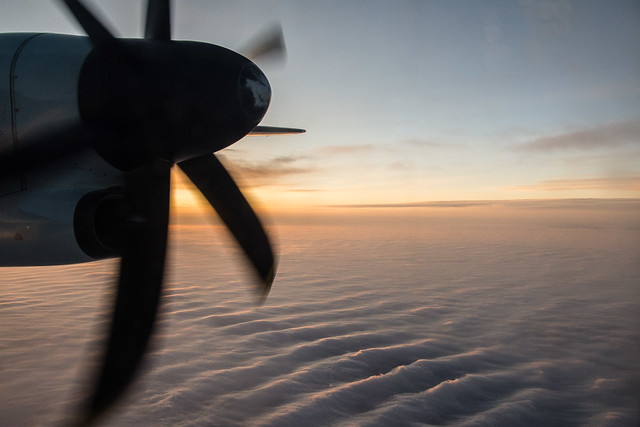
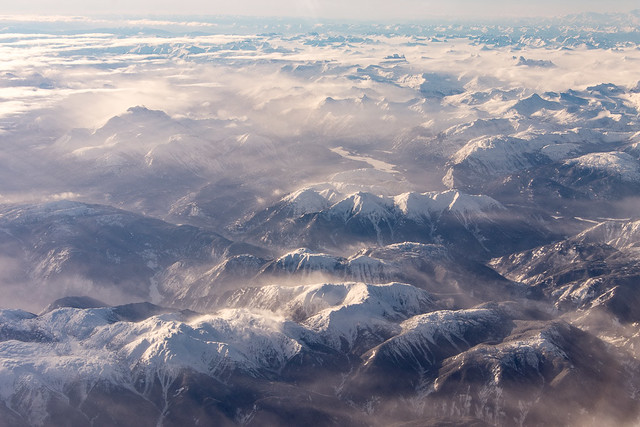
Despite my guilt at burning fossil fuels by flying 10,000 km around the world, I do love to see the world from up high. Crossing the prairies didn't supply much scenery other than the occasional farm lights.

farm lights on the prairie

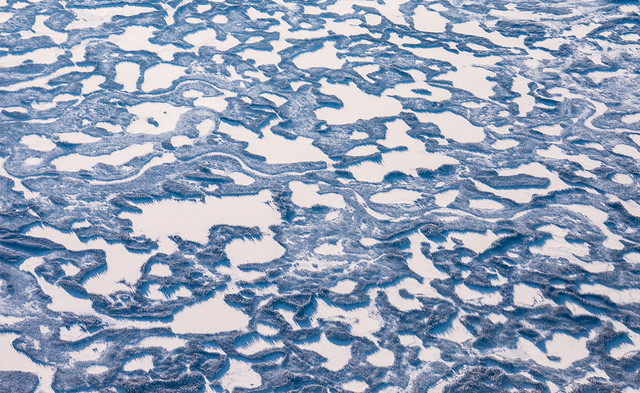
And some interesting drainage patterns:

20180202-DSC_2948

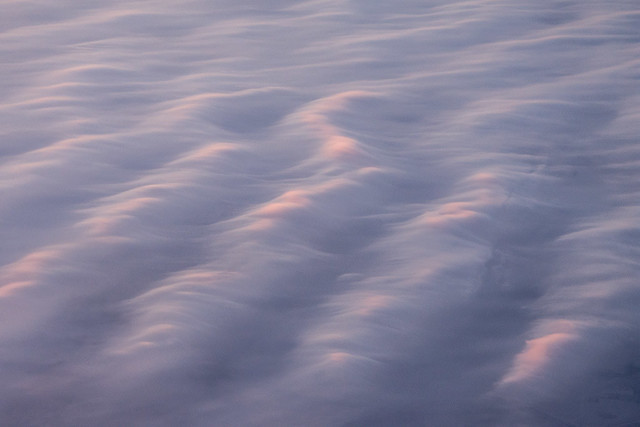
And ripples in the clouds:

20180202-DSC_2993

20180202-DSC_2978

Finally reaching the Rockies:

20180202-DSC_3059

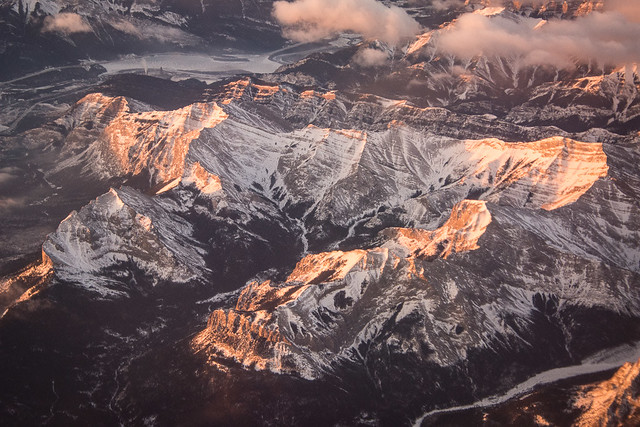
It's always a challenge to identify where you are from the air. I think that's the trans-canada at the top left and the back of Mt. Yamnuska at the left.

sunrise on the Rockies

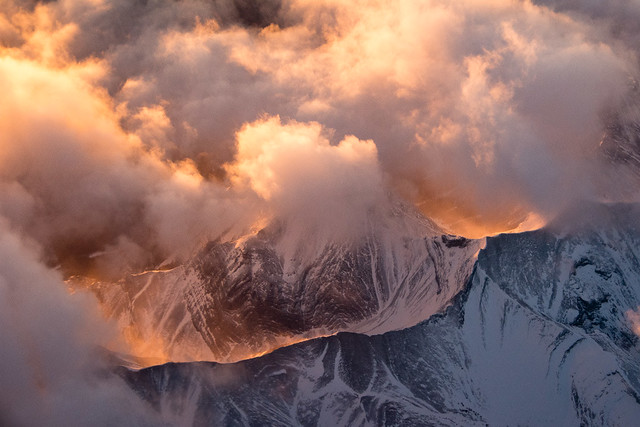
The rising sun lit up the mountains and the clouds

sunrise on the Rockies

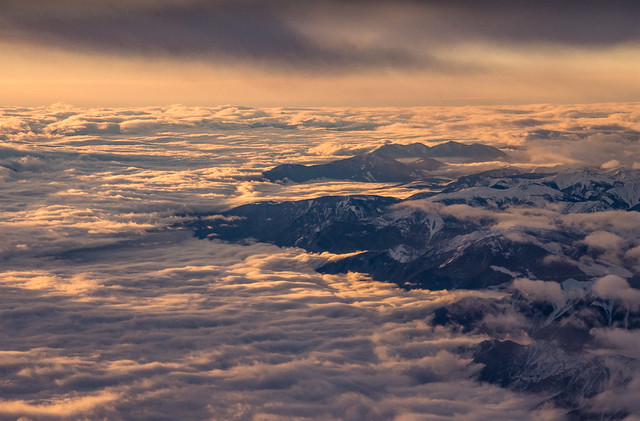
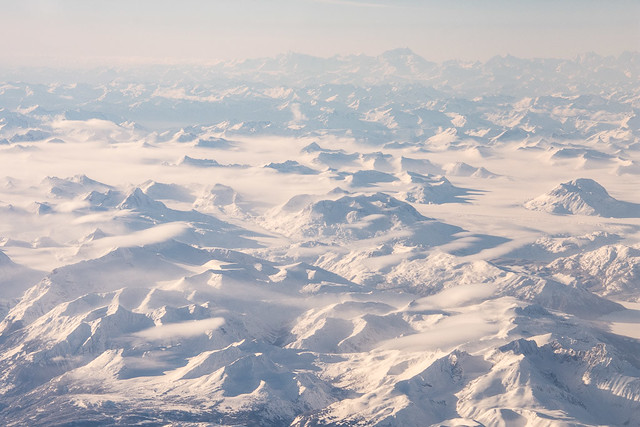
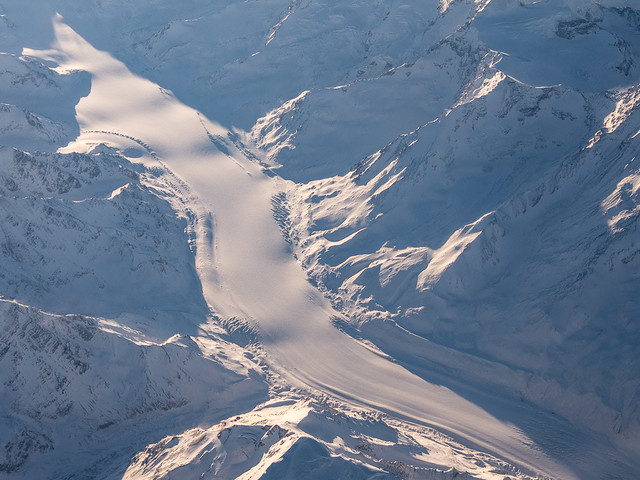
From Vancouver to Hong Kong the great circle route goes up the west coast passing not far from Whitehorse and Anchorage before heading over the Aleutians to Kamchatka. There are lots of mountains for much of the way. We must have passed Mt. Logan and Mt. McKinlay but it was hard to identify them. We left Vancouver at noon and arrived in Hong Kong at 5pm, chasing the sun so it never set.

mountains & clouds

Some big icefields and glaciers along the way.

mountains & clouds

glacier

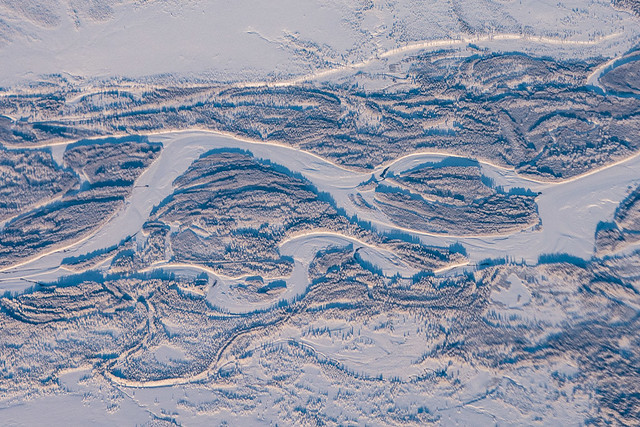
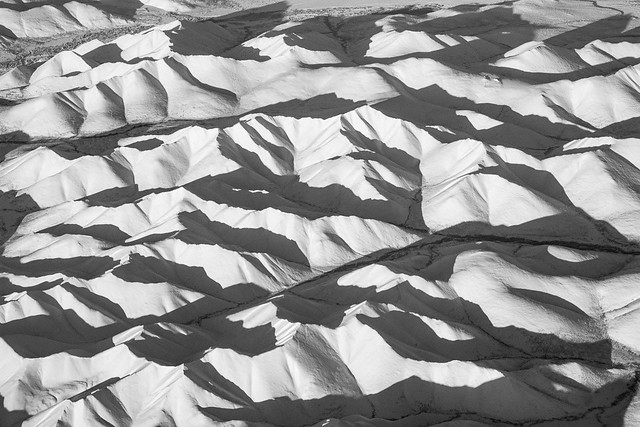
Some of the terrain made interesting abstract patterns:

20180202-DSC_3155

river

mountains

See all 37 photos

Monday, January 29, 2018

Winter Sunrise

winter sunrise

I was a little late this morning so the sun was actually starting to come up when I walked to work. It was -25c and the wind was biting, but I couldn't resist pulling out my camera for a few quick shots before my fingers got too cold. 

Friday, January 19, 2018

Fiery Sunset

As I was leaving the office to head home after work, I noticed the colorful sunset. I suspected it wouldn't last so I hustled to get to the edge of Innovation Place where I'd get a clearer view. It was already fading, but still very colorful.

sunset

The railway bridge is often a good viewpoint so I ran down the hill and up the steps. Unfortunately, by the time I got there it was almost gone.

sunset

Wednesday, January 03, 2018

2018 Calendar

I made some calendars for family this year, as I have for the last few years. The hard part is choosing the photos. I try to take the audience into consideration when choosing the photographs, so no spiders :-) The Photos program on the Mac makes quick work of actually creating the calendars, and Apple does a great job of printing. Enjoy!
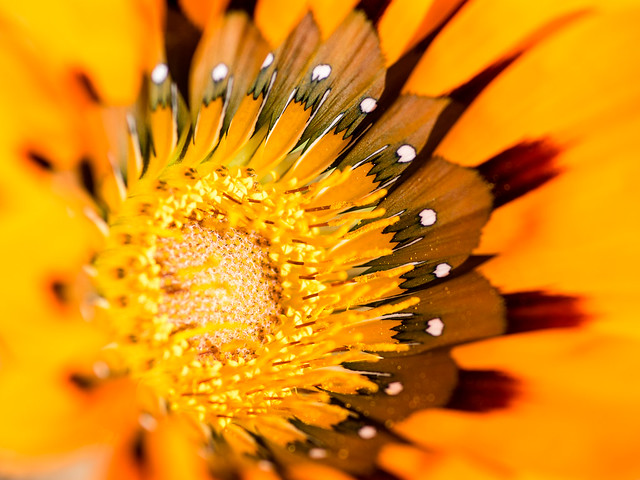


As always, let me know if you're interested in prints (or calendars) of any of my photos. I'm always happy to oblige.

Tuesday, December 26, 2017

Print of the Week

flower

I was going through some old photos when I came across this one and thought it would make a good print. Usually over Christmas I escape the circus and get outside to take some photos, despite the limited winter subjects. But it was -32c this morning (below -40 with the wind chill) and even I'm not that dedicated! I did get outside for a run the day before Christmas when it was still a balmy -20c. This colorful flower closeup seemed like a good antidote for Saskatchewan winter.

It was from a batch taken at Springs Preserve in Las Vegas on a rest day from rock climbing at Red Rocks. Whenever friends are headed to Las Vegas we try to sell them on taking a break from their hotel and the strip and visiting Springs Preserve. Sadly, few take us up on it. 

Saturday, December 16, 2017

Print of the Week

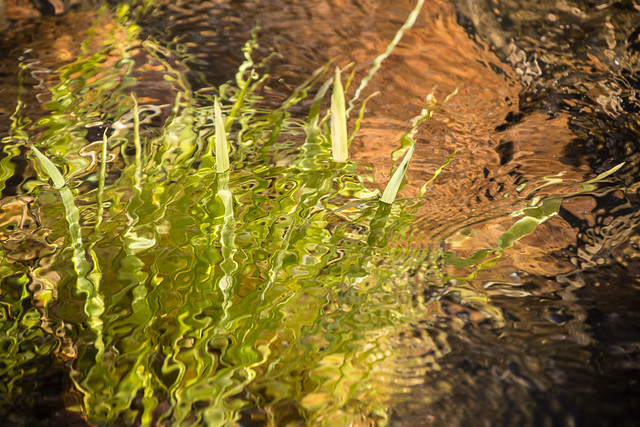
plant under water

This was taken last February near Portal in the south east of Arizona, near the border with New Mexico. Off the beaten path, and a beautiful area. Once more, I was indulging my fascination with water and the abstract patterns of nature. Not reflections this time though, just a plant underwater, distorted by the ripples. The green of the plant contrasts nicely with the red rock.

Monday, December 11, 2017

Nanny State

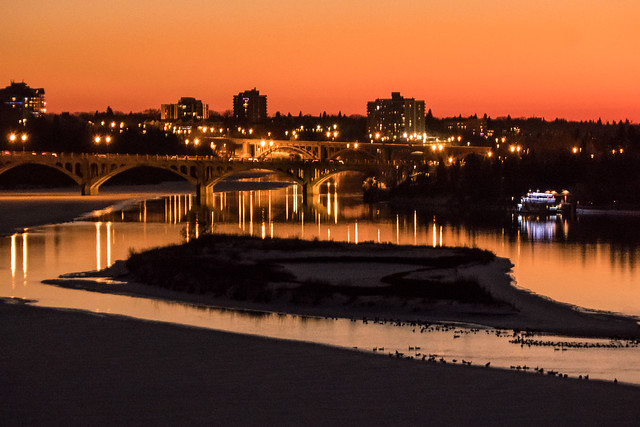
Saskatoon sunset

A while ago "Trail Closed" signs appeared on the lower unofficial dirt trail along the river. That's my walking route to work, so I ignored the signs and kept taking the trail. Judging by the packed snow on the trail, I wasn't far from the only one.

It always annoys me when they attempt to close these unofficial trails. The city or Meewasin (I'm never sure who does what) didn't build the trails (I suspect they were animal trails originally.) They didn't open the trails and they do little to maintain them.

It annoys me even more when they "close" them for no reason. I never did figure out why the signs were there. There didn't appear to be any construction or washouts which were the usual excuses. Perhaps something had been going on and they just forgot to remove the signs after they were done (common).

It does make me happy to see that I'm not the only one that objects to these attempts to control the wild trails. When there was a landslide on the East side of the river there was a long term battle between the closers (the "stop its" as my father called them) and the trail users. When signs didn't work, they put up fences. When people went around, they put up more fences. When people knocked down the fence, they put up stronger fences. People still knocked them down. What was so wrong about people walking around the trail damage? Or was it just the control freaks don't like being ignored?

Bureaucracies, no matter how well meaning, like to control things. They probably view it as protecting people. Of course, recipients, like me, see it as meddling attempts at control.

Out on my run, I encountered new signs: "Natural area closed. Beavers active. Danger of falling trees." Again, like most people, I ignored the signs and continued on down the trail.

The beavers have been fairly active. But there are always beavers along the river. You never know where they will decide to feed. And the activity was mostly in the fall when they were presumably stocking up for winter. I haven't seen much signs of recent activity. Of course, bureaucracies move very slowly, this is probably a response to what occurred two months ago.

Our culture is afraid of nature. That's partly because we are so disconnected from it. I think it's also because we can't stand the thought that we're not in control, that we're not the top dog. We (humans) think we are the supreme beings, in charge of everything. We don't want to admit that we are never going to be in charge of nature. There's no doubt that we can mess it up, chop down the forests, plow up the prairies, poison the oceans, etc. But being able to destroy does not imply control. A bull can destroy a china shop, that doesn't make him in charge.
Our culture is also obsessed with eliminating risk. But no matter how much we think we can remove risk, it is always there. You could have a heart attack. The brakes in your car could fail. The brakes in the oncoming car could fail and hit you. You could slip on a patch of ice. We cannot put up a sign for every possible risk. Nor would doing so eliminate all the risks.

For the people who don't ignore the signs, all you're accomplishing is making them even more afraid of nature. Less likely to care about protecting it, and more likely to want to turn it into a playground. Next thing you know we'll have to "do something" about the "beaver problem". A euphemism for more attacks on nature.

If you walk in a forest, there is a chance that a tree could fall. If you see that beavers have been chewing on the trees, then you can probably guess that there's a very slightly higher chance of a tree falling. Do we need to "close" a forest because there is a chance of a tree falling? If you really want to be a nanny state, then go ahead and put up your signs saying "Slightly higher danger of tree falling due to beaver activity." I wouldn't recommend standing among the trees in a windstorm, but that's regardless of whether the beavers have been around.

Of course, another reason for these signs is that we're also a culture that doesn't like to take responsibility for anything. If a dead tree falls on us because we stood under it in a wind storm, then we need someone to blame, preferably to sue. Because we're sure as heck not going to admit we did something stupid and paid the price. We sue MacDonalds because the coffee is hot. Really? On the one hand we think we're masters of the universe, on the other hand it's not our fault if we can't remember that coffee is hot? There is no limit to the extremes we will go to blame someone else for our bad luck or stupidity. And thus, we need those signs to supposedly limit liability, even though that's probably useless.

Realistically, what are the odds of a tree falling on you? I've never heard of it happening other than in a windstorm. But every year people get hit by lightning while they're golfing. They don't "close" the golf courses (except maybe during a storm). People get in car accidents all the time, but we don't "close" the roads. Realistically, I'm pretty sure I'm safer on the trail, even with the dastardly beavers, than I am walking and crossing icy streets, contending with drivers late for work with a phone in one hand and a coffee in the other.

let it snow

Monday, December 04, 2017

Print of the Week

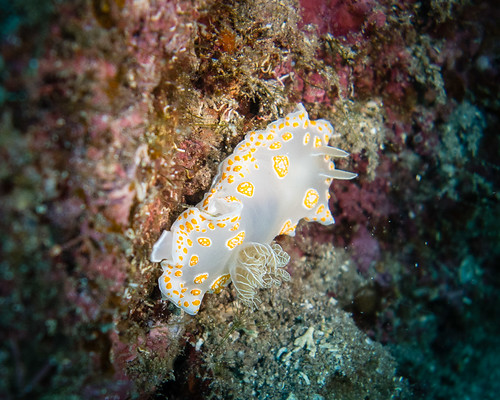
Chromodoris marislae (nudibranch)

This is from our recent diving around Loreto, Baja, Mexico. It's one of the nudibranchs (sea slugs) that I photographed. (see Slugs and Worms). My underwater shots are seldom sharp enough to make large prints but this one isn't bad.

I often do more editing of photos prior to printing. This time I ended up rotating it to look more normal. Here's the previous version in the correct orientation i.e. it was on a wall.

Chromodoris marislae (nudibranch)

It was fairly deep and in the back of a recess in the wall, so there wasn't much light. I have an underwater flash (aka strobe) but I am terrible at using it. People get great results with flashes, so I know the problem is me. Part of the problem is that I don't go diving that much, so I don't have a chance to gain the necessary skills. This trip I pretty much gave up and quit trying to use it.

The flash is on a flexible arm so you can move it around, but that means you're never quite sure if it's pointing correctly. Plus I can never seem to get the exposure correct. A flash doesn't help with focusing in the dark so it also has a focusing light. Towards the end of the trip I found I had more success using just the focusing light (and not the flash), which is what I did for this photo. At least with a light you can see where you're aiming, and the camera can get the automatic exposure right. So for my next trip I'm looking for a constant light (like an underwater flashlight). They're not as powerful as flashes, but fine for closeups, which is what I mostly take.

Part of what made me choose one of my underwater photos is that I've been revisiting a set of underwater photography books by Richard Salas. He has so many amazing photographs that are so much better than mine. Definitely inspiration to keep working at it.

Saturday, December 02, 2017

Population is Number One Priority

When I read that headline I thought, "Great! Finally people are recognizing that the overflowing human population is destroying our finite planet."

Of course, when I read further I discovered that the number one priority was actually population growth (according to a Saskatchewan politician). The city of Saskatoon is no better, hell bent on raising its population. Why can't we focus on "better" instead of "more" and "bigger"?

I should have known better. Our civilization is based on the impossible dream of never ending growth. It amounts to the biggest pyramid scheme ever. And we know what happens to pyramid schemes, in the end they inevitably collapse.

Even most environmentalist are afraid to raise the subject of limiting or, god forbid, reducing the population. Some people will try to argue that it's not population that is the problem, it's consumption. I've never quite figured how that helps. So we can keep growing the population (for a little longer) if more of us (or preferably "them") live in poverty. But isn't the average standard of living also rising? It seems to me that convincing people to lower their standard of living is even harder than convincing them to have less children.

One of the sad statistics I came across recently was that people that describe themselves as "environmentally friendly" have higher rates of consumption - because they tend to be people with a higher standard of living. Economists may be happy to hear that higher income means higher consumption, but it's not helping the planet. Of course, economists don't care about the planet, it's an "externality". Would they think the same if it was their house they were burning down? Oh, I forgot, it is their house they're burning down.

Even sadder, I'm guilty of it just like everyone else. I buy too many cameras and computers. I travel too much. I try, but it's hard to escape the culture you're embedded in.

It's one thing if humans destroy themselves, but unfortunately, we're doing our best to drag the whole planetary ecosystem down with us.

Saturday, November 25, 2017

Squirrel

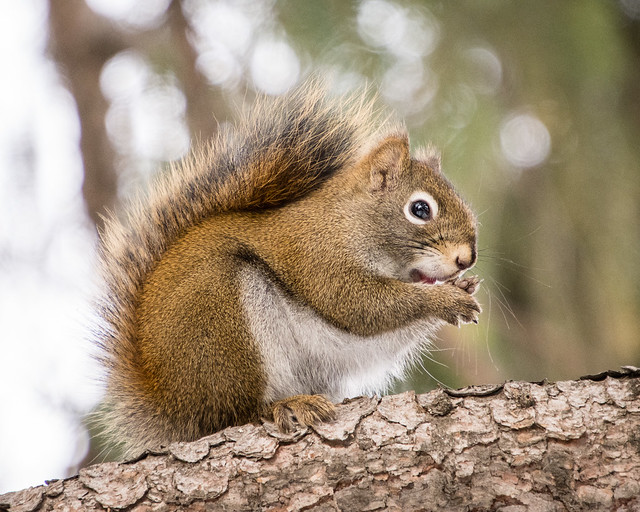
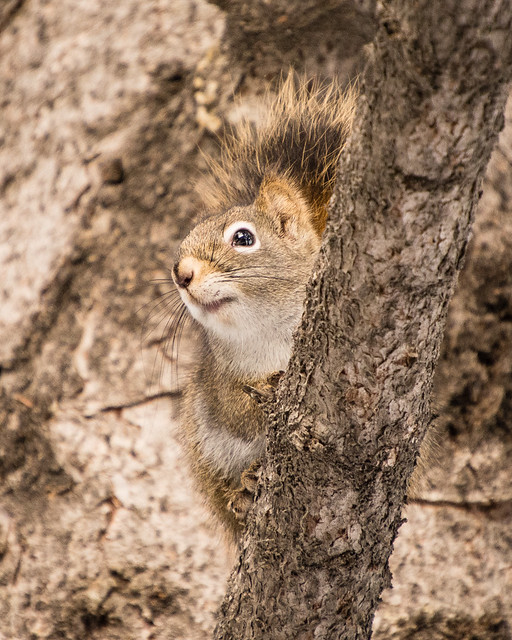
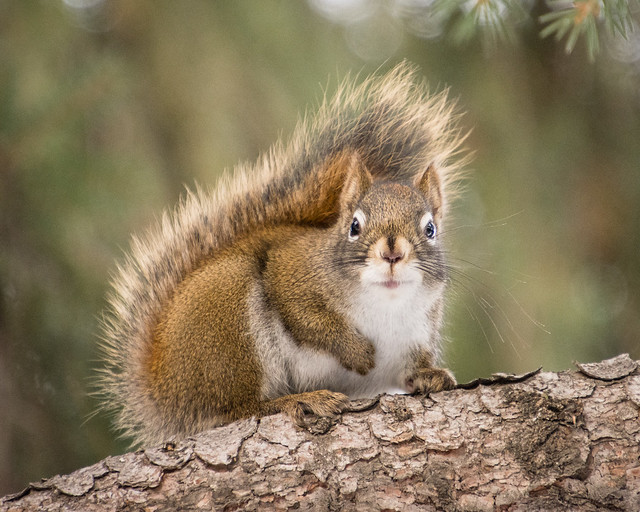
I was sitting on the couch playing with a new lens I picked up this morning when I looked up and saw a squirrel in the tree outside our front window. Perfect chance to test out the lens!

squirrel in the yard

It's unusual (for me at least) to see squirrels in Saskatoon. I wasn't too surprised to see it though, because the neighbors had mentioned seeing one around our bird feeder. This one didn't actually mange to get to the feeder while I was watching, but I might have to move it further away from the trunk to be safe! He/she was moderately cooperative - not letting me get too close, but not running away.

squirrel in the yard

Although I was shooting upwards into the tree, I was far enough back that the angle was reasonable and the shots don't look too far off eye-level. I had a little trouble with exposure due to shooting against the bright sky. I tried exposure compensation first, which is what I'd normally use, but in this case I found using center weighted metering gave me the best results.

squirrel in the yard

The lens is the new Tamron 18-400. On my Nikon 7200 that's the 35mm equivalent of 28-600mm. Previously I was using the Nikon 18-300 but I really liked the idea of getting a little more reach. And the Tamron is also better at shooting macro. Amazingly the Tamron does this with a lens that is more or less the same size. (Slightly longer but thinner.) This kind of lens really fits my opportunistic style of photography. One minute I might be photographing a bird, the next a landscape, and the next a tiny insect. It's perfect for travel where you don't want to carry a bunch of big lenses.

A super-zoom lens like this (22x) is always a compromise. It's not the brightest or sharpest compared to non-zoom prime lenses. So I was curious to see how my shots of the squirrel would turn out. It was a cloudy day and the squirrel was in the shadow of the branches, not ideal conditions. And as usual for me, it was handheld. But the eyes are sharp enough to see the trees reflected in them, and you can count the whiskers. I was pretty happy with the results. (Click on the photos to view larger.)

Tuesday, November 21, 2017

Print of the Week

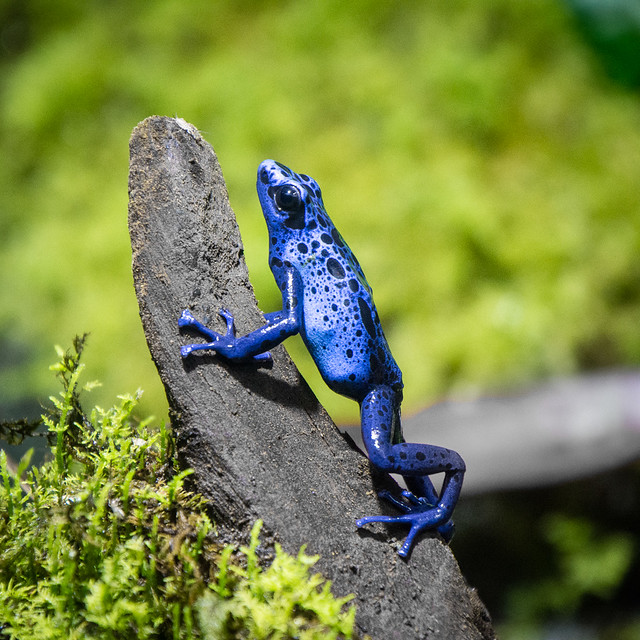
poison dart frog

A poison dart frog at the Loveland Aquarium near Salt Lake City, Utah from last January. I love their bright colors - you don't see too many bright blue animals. Of course, that's to warn predators that it's poisonous.

One of the things I like about making large prints is that it encourages you to look at details that you might not see otherwise. Until now I hadn't noticed that there was an insect (soon to be frog food) on the top of the rock, which explained why it was in that position.

Aquariums and zoos are a mixed blessing for photography. On one hand you are obviously much more likely to see animals than you would in the wild. On the other hand, you have bars and fences, dirty glass and reflections, crowds of people, and artificial and unnatural settings and backgrounds. Not to mention the uneasiness over the whole idea of captive animals. Hopefully they inspire people to value nature a little more.

Sunday, November 19, 2017

Saturday Morning

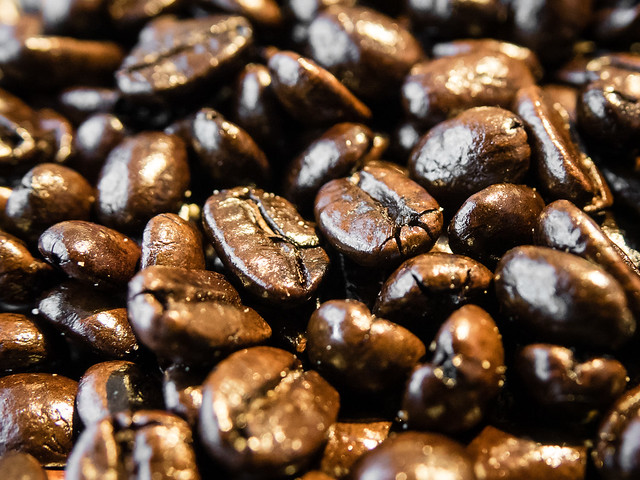
coffee beans

I grind the beans, enjoying the aroma and the physicality of the hand grinder. The espresso trickles out, dark and rich. The milk steams noisily.

I turn on the stereo. (Does anyone even call it that anymore?) I put on Ages Past, a group of local kids, guitar and percussion. It’s the right rhythms and melodies to accompany my mood this morning. Their only album is short but the repetition is a comforting familiarity.

I pick up a couple of books I’m currently slowly savoring, Stephen Legault’s Earth and Sky about the Rocky Mountain Front, and Trevor Herriot and Branimir Gjetvaj’s new Islands of Grass. They are full of wonderful photographs, mostly landscapes, which I love but seldom photograph myself, finding them difficult to capture well.

I sip the coffee and enjoy the complex flavors. Interesting how we enjoy coffee and wine, both complex acquired tastes.

Outside in the cold and snow the nuthatches are out and about, creeping along the tree trunk and branches and taking advantage of the bird feeder. A red headed house finch also stops by, brightening the day.

Both books are saddening. Despite the wonders of nature and landscape that they depict, they are also about how it’s disappearing at the hands of humans. It's tempting to be sad. I hold no illusions - humans will trash this planet, the only question is how quickly. Hell, the coffee I'm enjoying is a part of that destruction - forest cut down to grow it, oil used to transport it. But take that train of thought to its logical conclusion and the best thing you could do for the planet is to leave it. I turn my thoughts away and go back to enjoying the coffee and the books.

Thursday, November 16, 2017

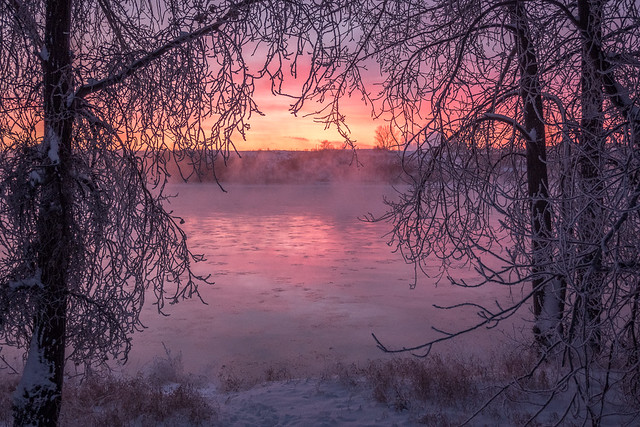
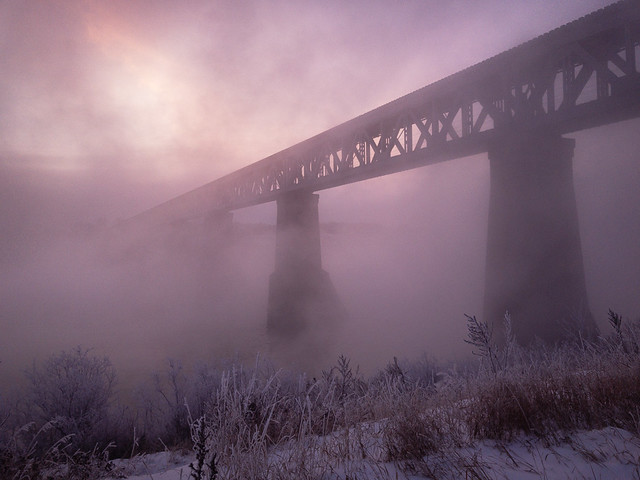
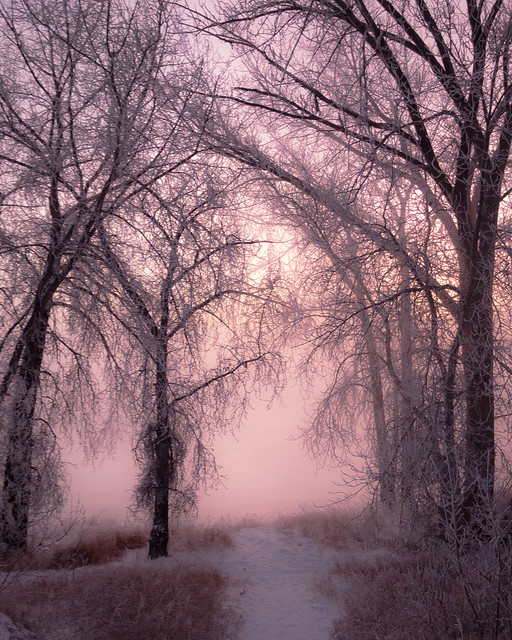
Foggy Winter Sunrise

With temperatures around -20c and the river still open, there was lots of fog yesterday morning on the way to work. The combination of fog and frost and sunrise color were too much to resist. I had a better camera with me but my iPhone was easier to stick in my pocket so that's what I used. I only had big mitts so I had to take photos quickly with bare hands, before they got too cold.

foggy winter sunrise

foggy winter sunrise

foggy winter sunrise