We loved the Santa Barbara Botanic Garden. I'm surprised we hadn't made it here on previous visits. Some of the gardens were closed due to the torrential rain but there was still plenty to see.
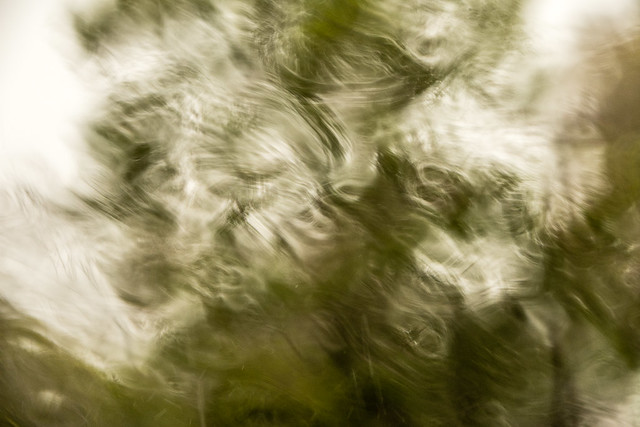
Even the view through a rainy car window can be interesting :-)
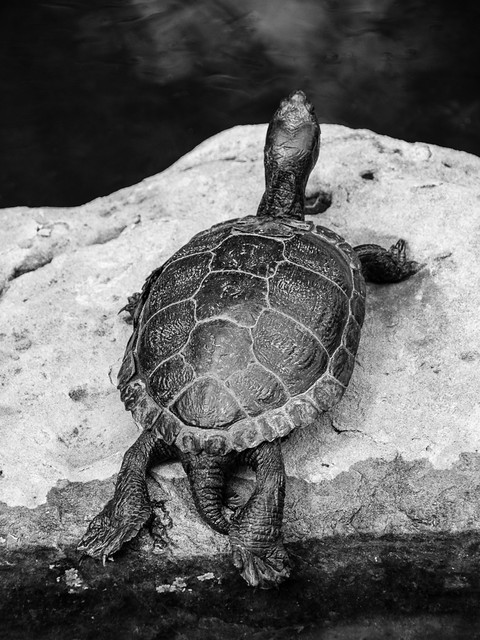
A small pond was inhabited by several turtles:
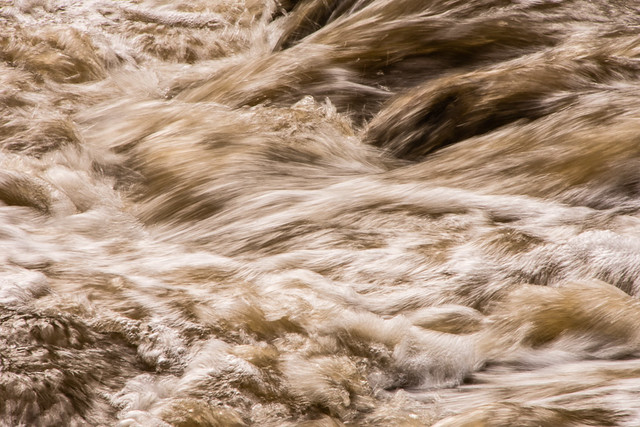
The creek was still strong and muddy from the recent rain:
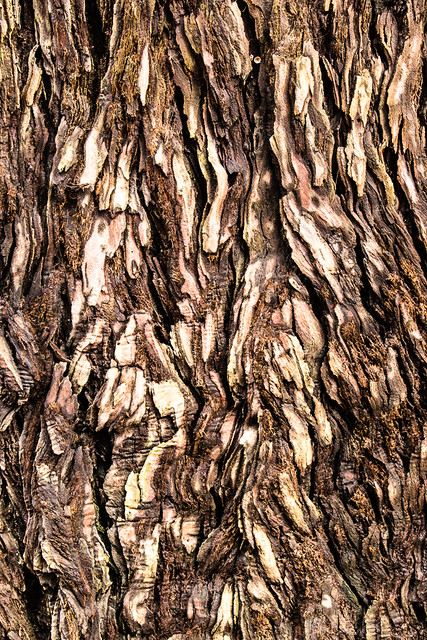
The garden even has a small grove of redwood trees. The wet bark made interesting patterns:
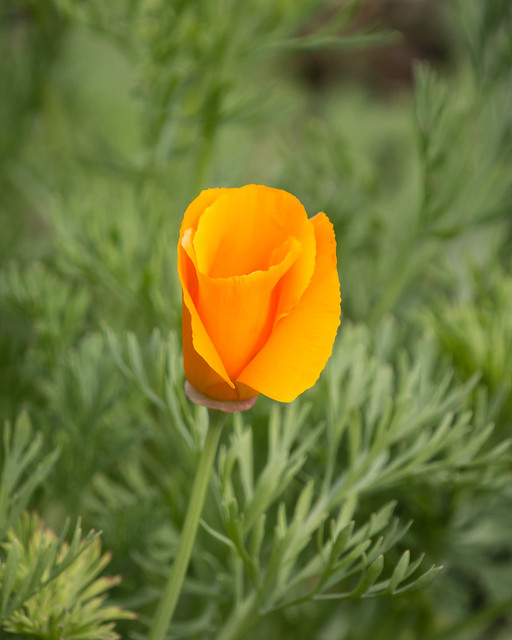
We saw a few California poppies on the local hillsides but I suspect it's still early for them.
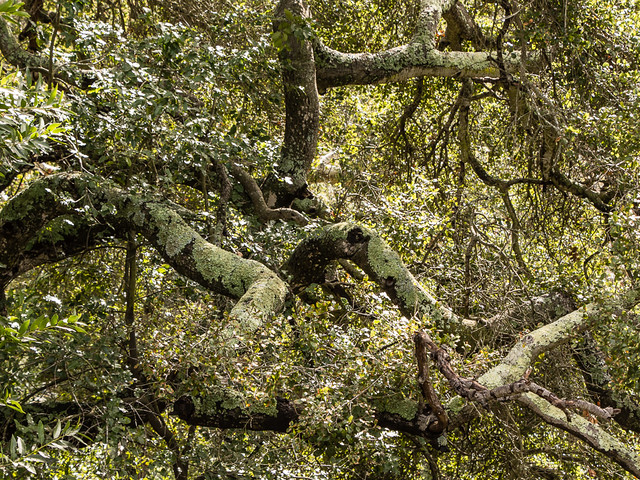
I enjoyed just looking at the trees in the garden.
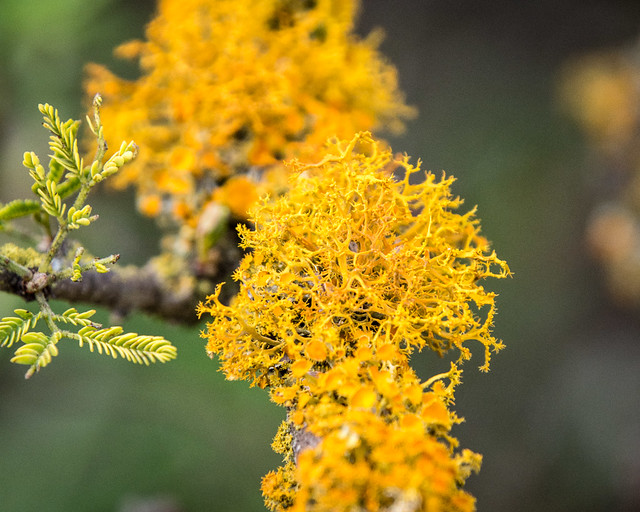
Some of the trees had interesting lichens on them.
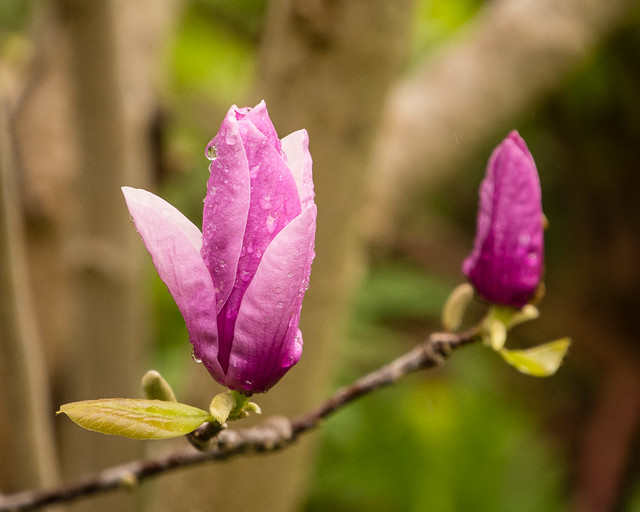
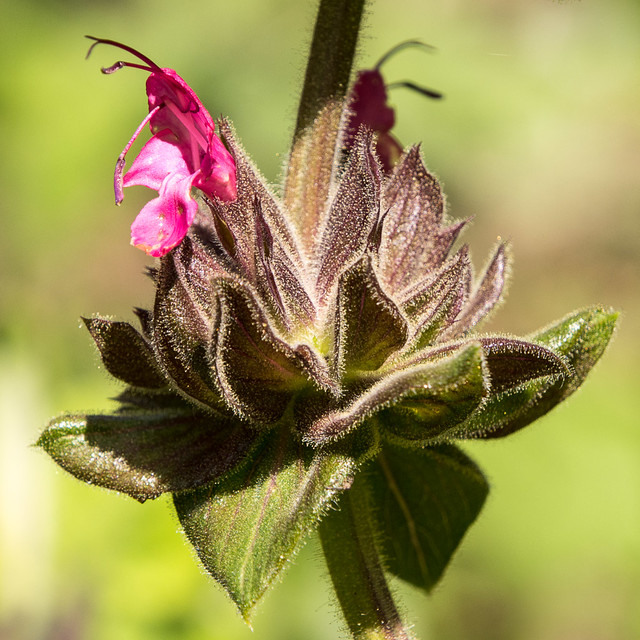
And there were some interesting flowers:
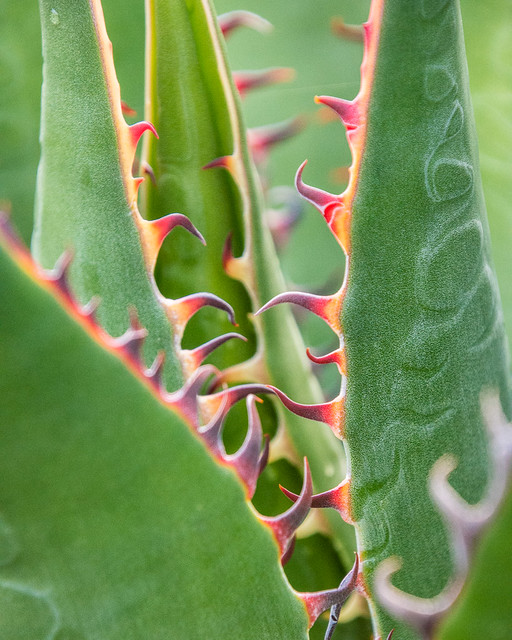
Even the agaves had some color:
If you're in the area and you like gardens, it's definitely worth a visit.
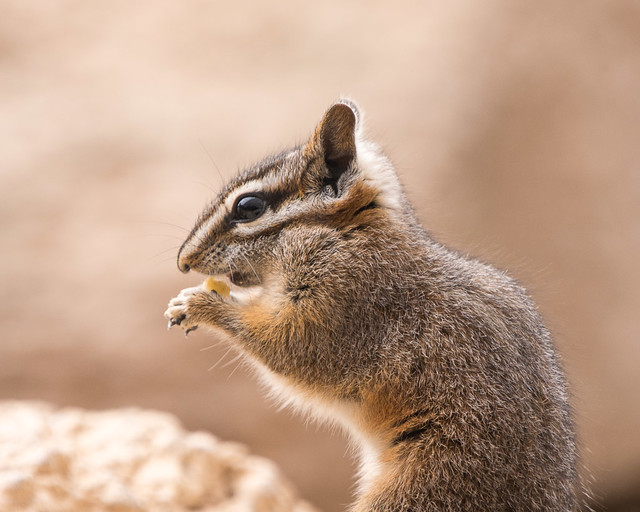
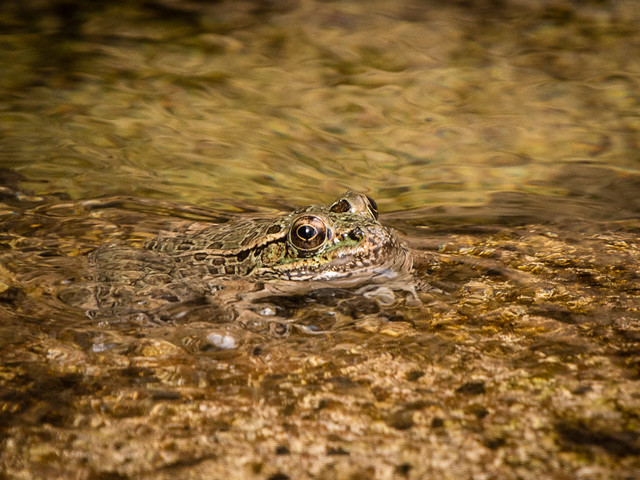
The Arizona-Sonora Desert Museum is one of our favorite spots in Tucson. Although it does have some indoor exhibits, most of it is spread out over a large outdoor natural area. It is popular but because there are miles of trails people get spread out and it doesn't seem crowded. (They even have a small aquarium, which seems incongruous at a "desert" museum!)
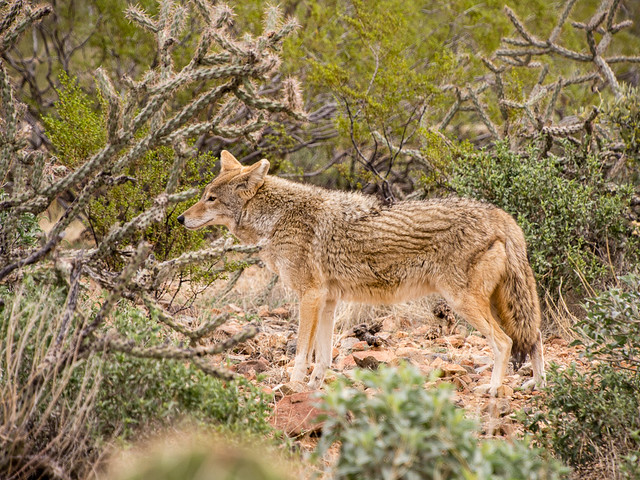
Many of the animals are in large natural looking areas with no obvious bars or fences, like the coyotes.
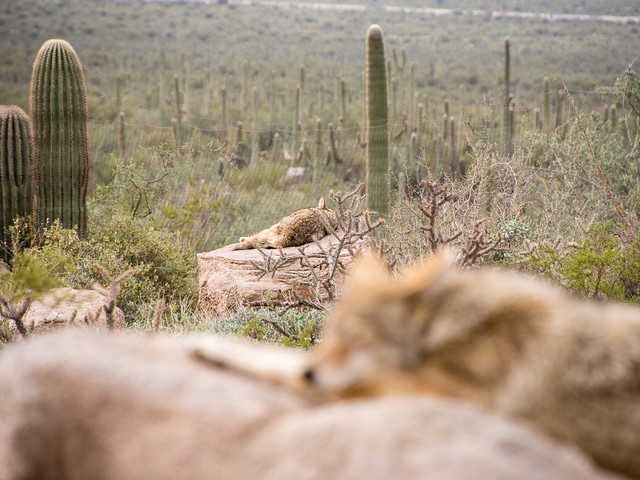
A bit later they were sleeping in the sun. (The fence is just visible in the background.)
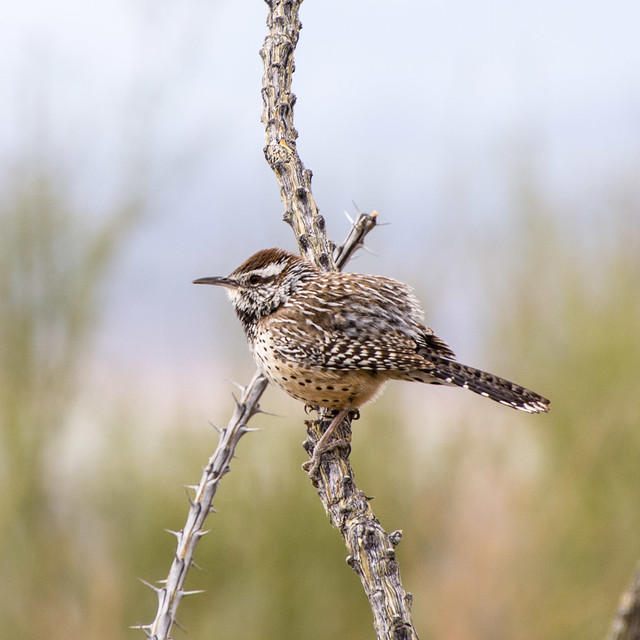
It wasn't the best time for bird watching, but I always enjoy the common cactus wrens.
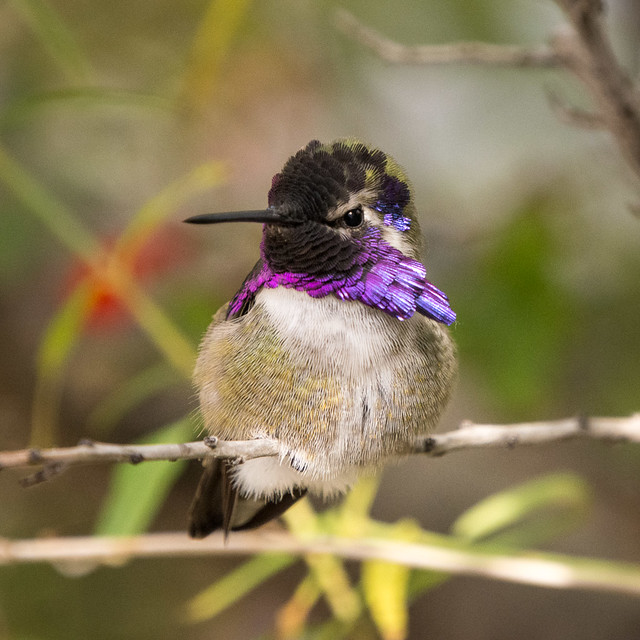
The hummingbirds in the aviary were a little easier to photograph.
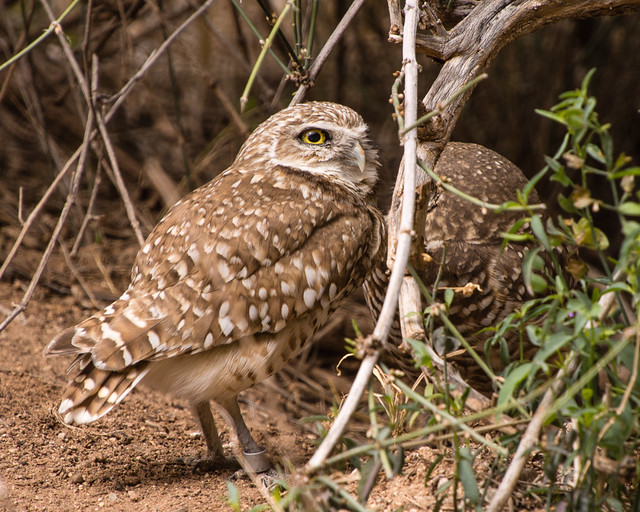
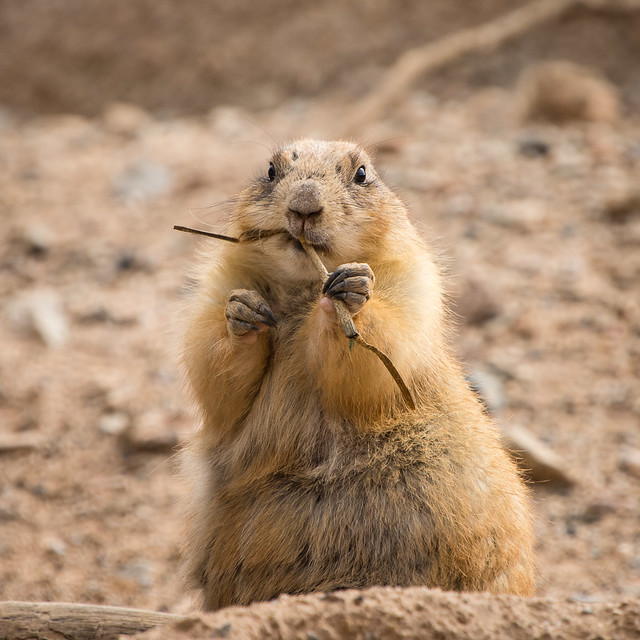
People here are always surprised that we have desert-like areas in Canada with some of the same wildlife, like Burrowing Owls and Prairie Dogs.
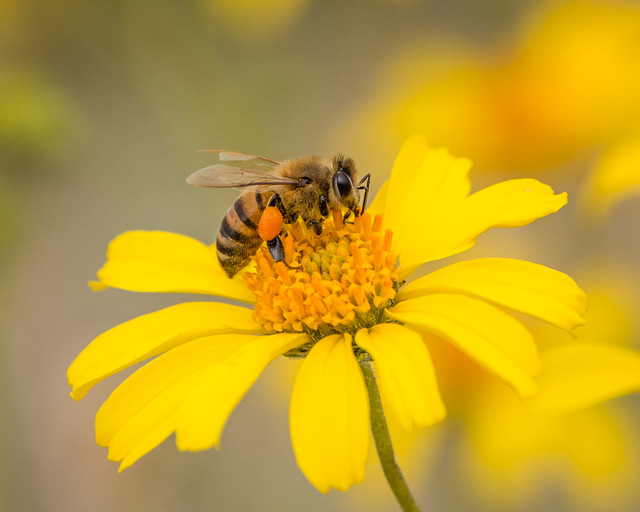
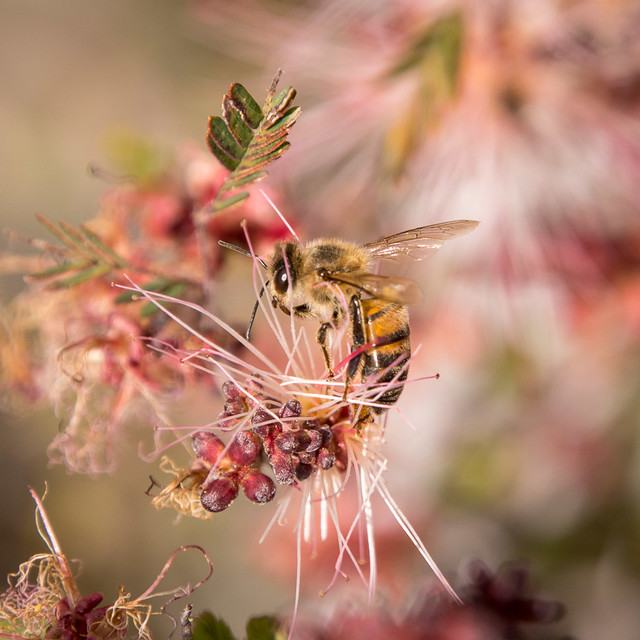
There were enough flowers out for the bees to be busy.
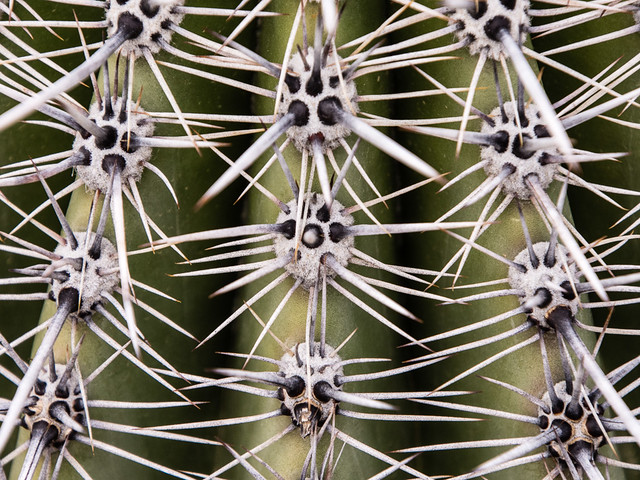
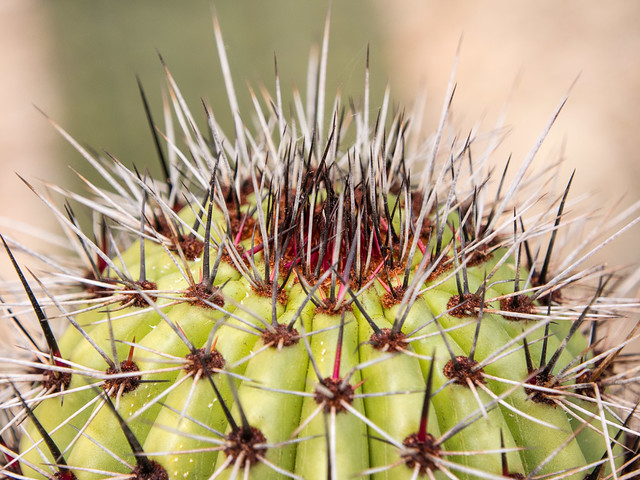
Of course, they have a lot more kinds of cactus here than we do in Canada.
And unlike most zoos, which only have crappy fast food, there is a nice restaurant where you can take a break from walking the trails.
Coming in to land at Marshall after my longest flight yet - over two hours in the air.
Marshall / Crestline is a hang gliding and paragliding site near San Bernardino, California (near Los Angeles). One of the pilots we flew with in El Paso had recommended it.
I don't think locals realize how awkward it can be for visiting pilots. At Marshall we were told to just go out to the hill and "someone" would give us a site briefing, and there would be lots of rides up to launch. The first day when we arrived at the landing zone (LZ) there was no one around. We'd been told conditions might be flyable around 2pm. A van load of hang glider pilots headed up but didn't fly. After hanging around for two hours we gave up and left. Later we heard that people had had great flights after we left. Argh! I was pretty frustrated.
The next day conditions looked dubious since there was bad weather arriving. At least this time an instructor and student were there. We managed to get a bit of a site briefing from the instructor, and after discussions about how we might get up to launch the student offered to go up with us and drive our car down (thanks Raoul!)
The instructor had suggested going up to the high Crestline launch but when we got there it seemed very windy. Sure enough when I got out my wind meter it showed over 20 mph, too strong for us. Luckily it was reasonable at the lower Marshall launch.
I managed to get up high over launch quite quickly. I'm always tempted to go somewhere when I get up, but not knowing the site or the conditions I stuck around. I did explore up and down the ridge a bit. Eventually I started to sink out. I ended up down low near the LZ struggling to stretch my flight out to an hour. Shelley had already landed by this point. I found a few small thermals that allowed me to stay up a bit longer, and then amazingly found a stronger one that I managed to ride back up above launch! In paragliding terms, that would be known as a "low save". It was a first for me.
I enjoyed flying around the top ridge for a while but it wasn't long before I ended up low again. And again I managed another low save and returned to the ridge.
After two hours, a record for me, I headed down, in a much better mood than the day before!
From El Paso we headed west. We took Highway 9 along the Mexican border, the same quiet road we did our high tows from. We stopped in to visit some acquaintances that I met at their summer home in Clearwater, BC. They live in Portal, Arizona - a tiny town on the edge of the Chiricahua National Monument. I like the idea of heading somewhere warmer for the winter, but the usual snowbird destinations like Phoenix don't interest me at all. Somewhere like Portal, on the other hand, would be great. It doesn't hurt that it's one of the top spots for biodiversity and especially bird watching. If you visit, don't miss the Chiricahua Desert Museum in Rodeo, NM. Among other things they have an amazing collection of (live) snakes.
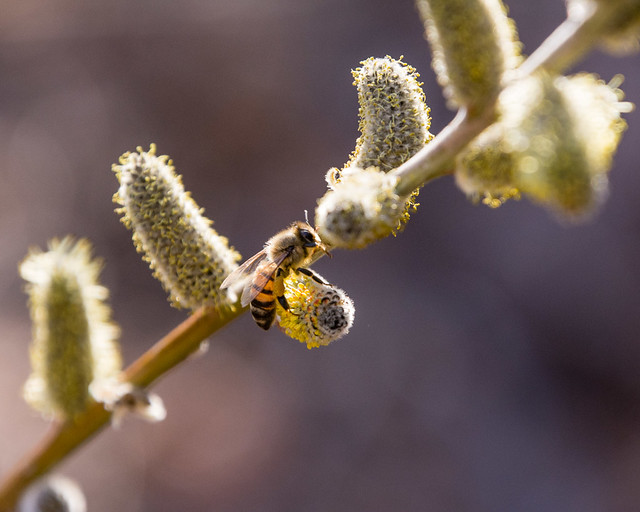
Knowing that it's still winter at home in Saskatchewan, it's a treat to see the willow catkins out already here, and being visited by the bees.
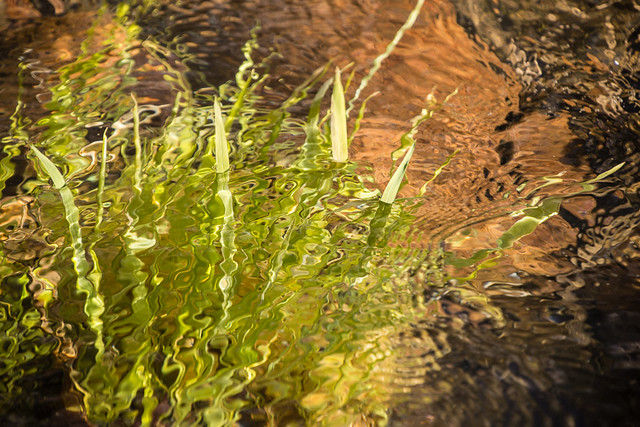
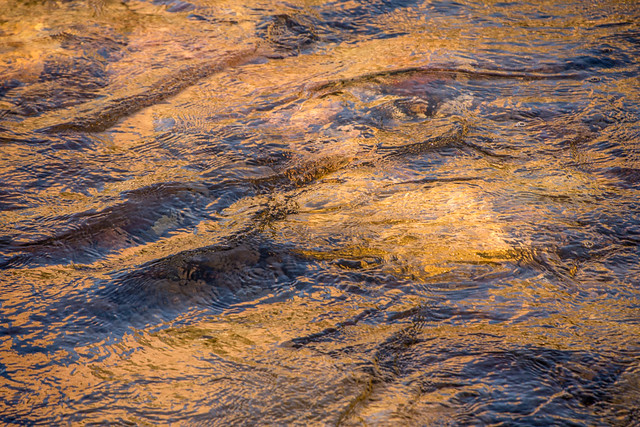
Of course, I can't resist the water. It especially stands out surrounded by the desert.
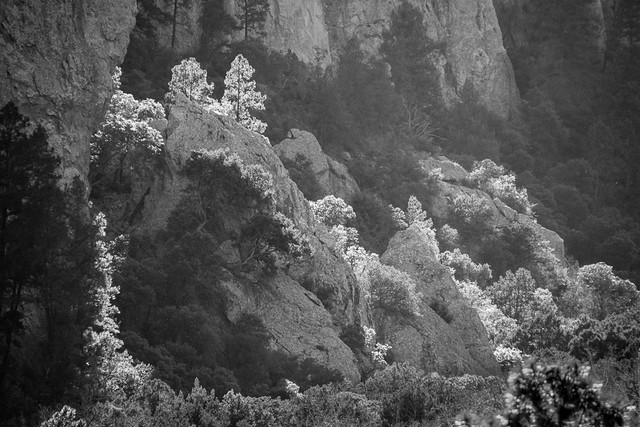
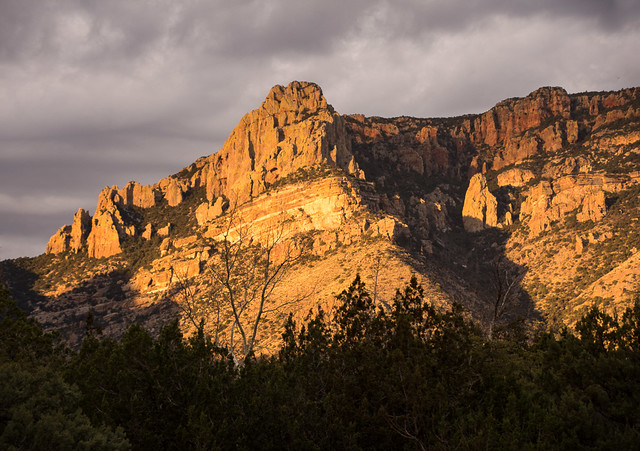
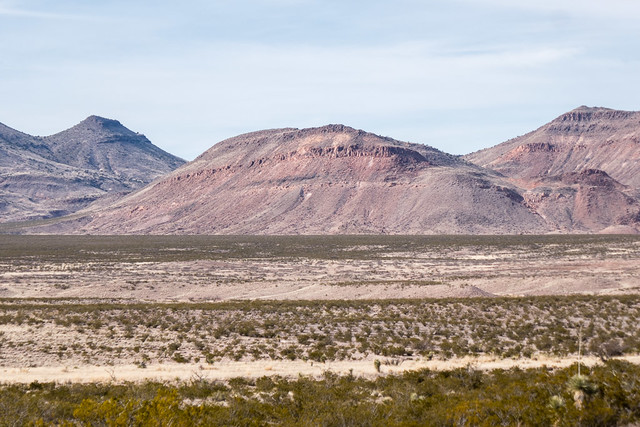
The area around Portal has great mountain scenery.
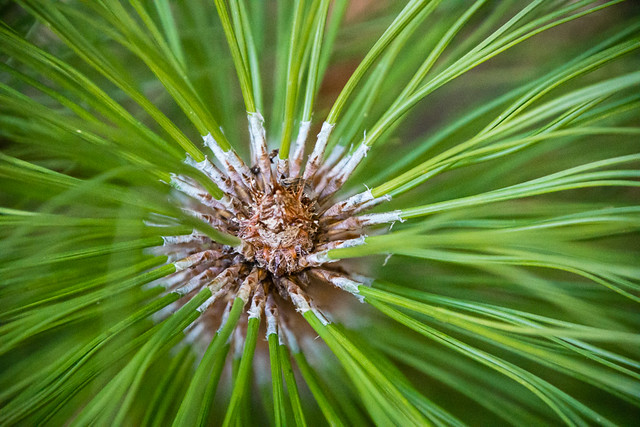
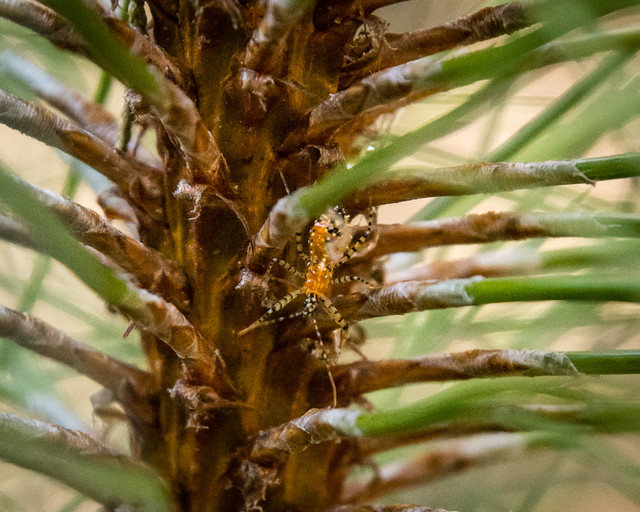
I was taking a picture of the detail of this plant, when I noticed it had an interesting occupant.
At first I thought it was a spider, but looking at the photographs I think it only has six legs (and long antennae) which makes it an insect instead.
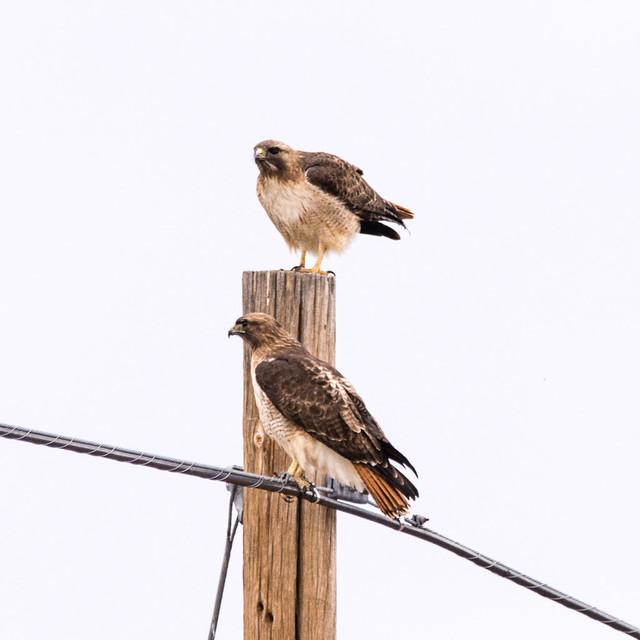
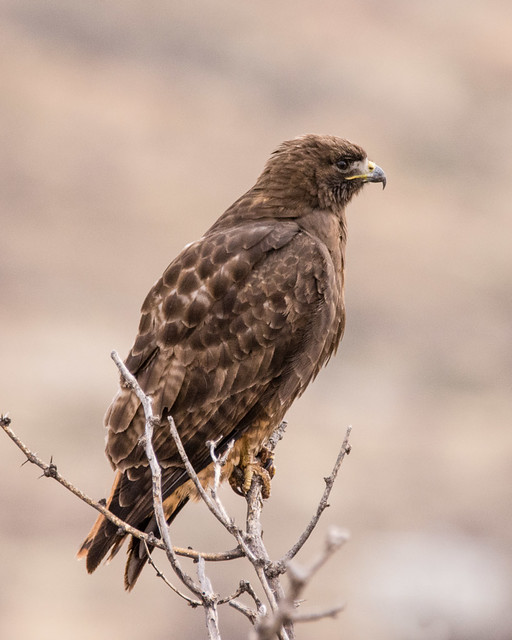
We saw lots of hawks along the roads. Eventually I got out my long lens and kept the camera on my lap while Shelley was driving. When we spotted a hawk, we'd try to stop (if there was a shoulder). Half the time just stopping was enough to make the hawk fly away. But occasionally they would stay to be photographed.
I think we were seeing at least two different kinds of hawks. I haven't got around to identifying them.
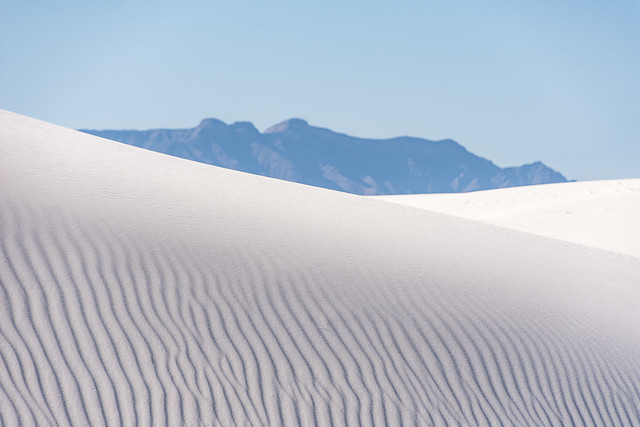
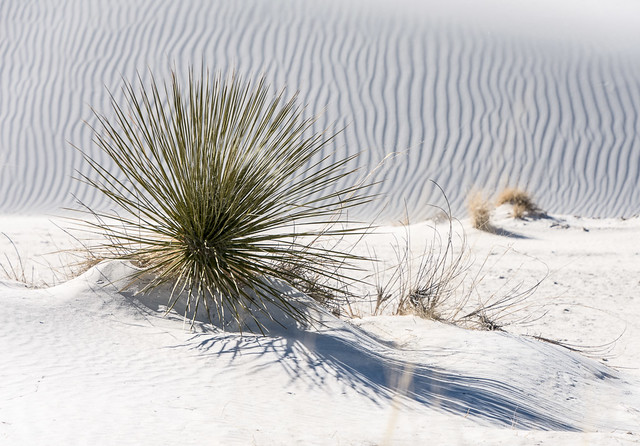
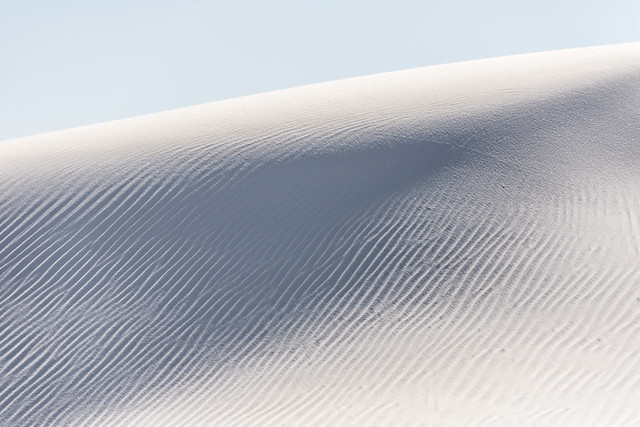
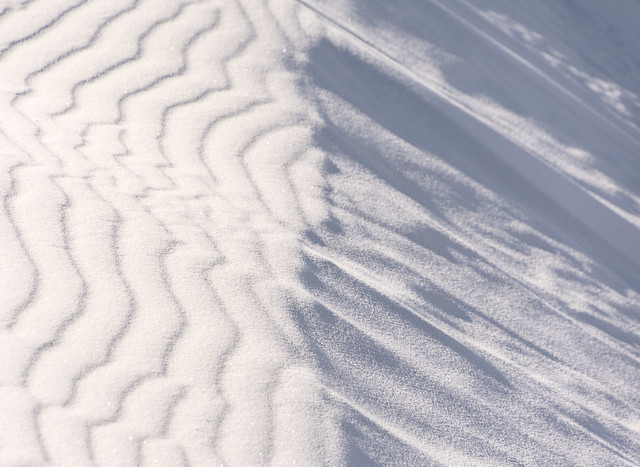
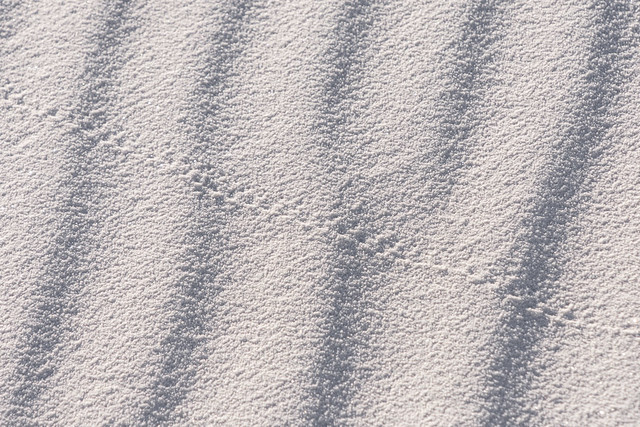
We drove by White Sands on the way to a couple of our paragliding sites and stopped for a quick visit. They are the largest gypsum dunes in the world. It is a striking place and I enjoyed trying to capture pieces of it in photographs.
There wasn't much wildlife visible but there were tracks across the sand.
Not being able to paraglide at home means it's hard to get a lot of hours. But traveling to fly has its advantages - we've flown a lot of different sites. Pilots with a "home" site often fly the majority of their time at that one site. It means they get to know it well, something we miss. Our roughly 110 flights have been spread over about 30 sites, ranging from meticulously groomed European launches complete with chairlift and restaurant, to brand new, barely cleared hike-and-flies.
When we try to explain to people what paragliding is, they often say "you jump off mountains?!" Our standard response is "no, we run off" :-) This video (thanks to Shelley) is a good illustration. It was a tricky launch because the wind was light, the ground sloped up towards the edge, and the slope was a series of rocky ledges. I actually didn't think it was going to work and was a bit surprised when the wing came up ok. But habit took over and I ran it off.
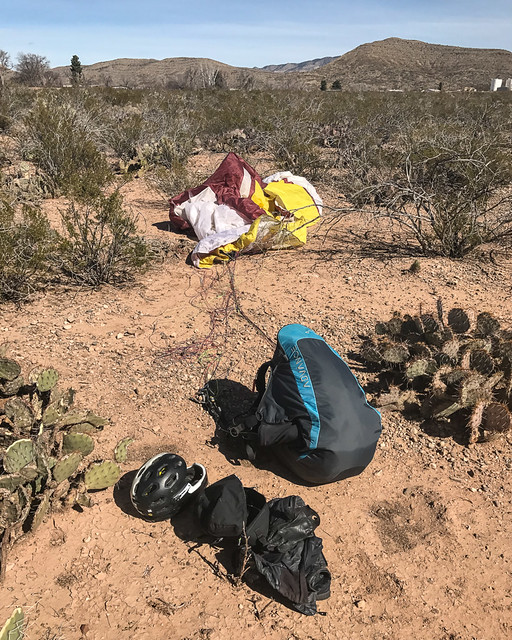
Unfortunately I didn't quite make the cleared landing zone at La Luz, frustratingly I was about 20 feet short. Luckily I managed to miss most of the prickly stuff.
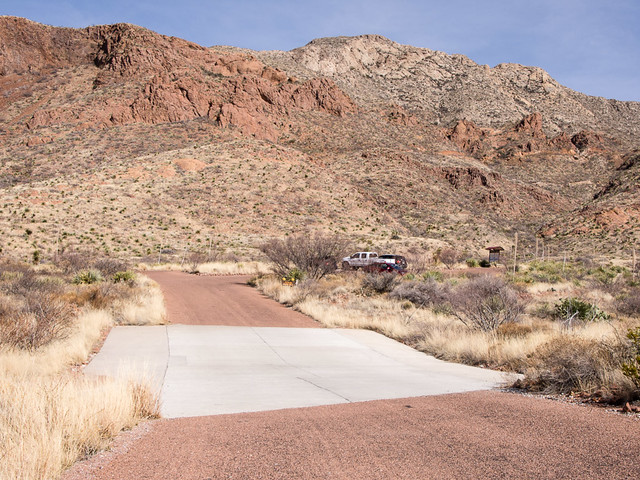
Here's the preferred landing zone at Agave Hill - a wide spot in the road. Not a very soft landing, but preferable to the cactus and thorn bushes! You're definitely motivated to work on your landing accuracy out here!
Launches and landings are the tricky parts of paragliding. Landings are easier in a way - you're coming down whether you like it or not, all you can do is make the best of it. Launches always make me the most nervous. You have to actively choose to launch. Having screwed up numerous times as a beginner, I don't have a lot of confidence. But it's gradually improving. Any more and I'll be in dreaded "intermediate syndrome" - when you start to think you know what you're doing but you really don't. A little knowledge is a dangerous thing!
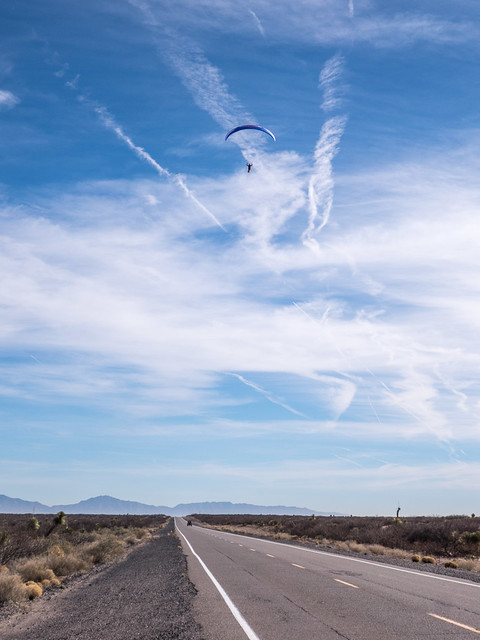
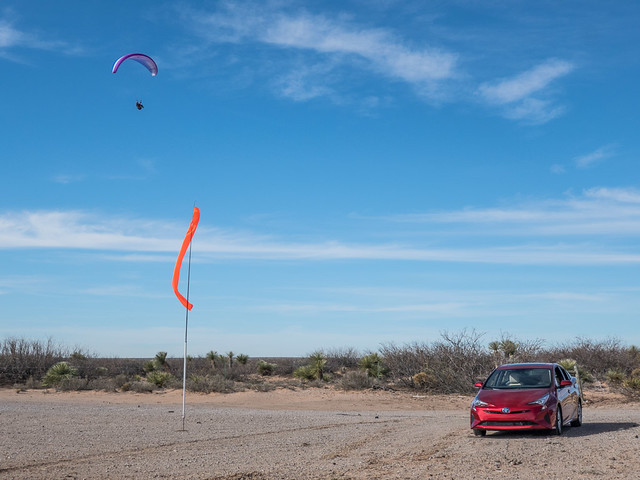
One day we did a high tow with Had Robinson of Southwest Airsports. This was a great experience - an easy way to get high over the desert and have a fantastic smooth flight down. The scariest part was when a border patrol helicopter flew down the road a few hundred feet off the ground while Shelley was being towed. I was sure it was going to cut the tow line but it veered off to the side in time. We had notified them about the towing but they didn't have a good grasp of what was involved. The glider is all but invisible on the end of a mile of line.
Shelley coming in to land back at the car.
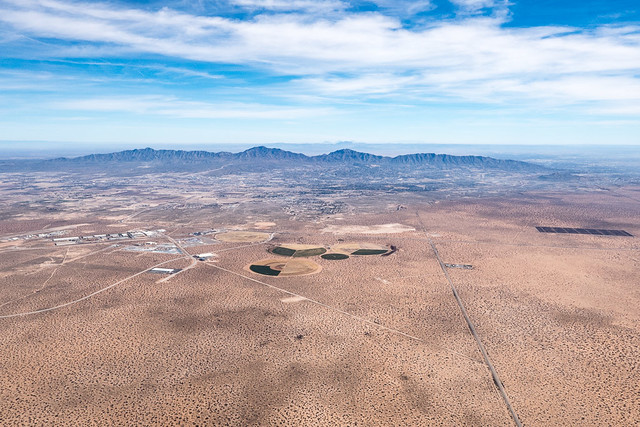
Had and I were hoping to set a height record for my tow since I don't weigh much. The wind didn't cooperate but I still got pretty high and decided to fly back to the sod farm on the edge of town. (The big circles in the center of the photo below,)
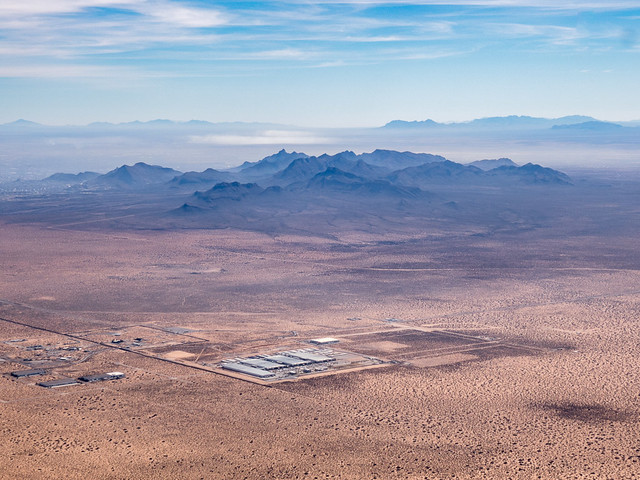
Fantastic views from up high (those mountains are probably in Mexico).
That afternoon we went back to Mag Rim and again got over an hour of soaring.
Our last flight was at Dry Canyon (Thanks to the generous 4wd transport by local hang glider pilot Robin Hastings). Conditions were too light to stay up (for me) but I still managed a fun 40 minute flight,
We were quite tempted to head for Costa Rica to paraglide on this holiday. But I was feeling guilty about taking too many airline flights this last year so we decided to do a road trip instead. (Still burning fossil fuels but somewhat less in our Prius.) Costa Rica would have been great but we've also really enjoyed New Mexico. And we've had a lot more variety here. We've had our first stationary tows, first reverse launches on tow, first high tows, first top landing for Shelley, thermal flights, ridge soaring flights, landing out in the desert, launching from new sites, and more. Not to mention the great desert scenery.
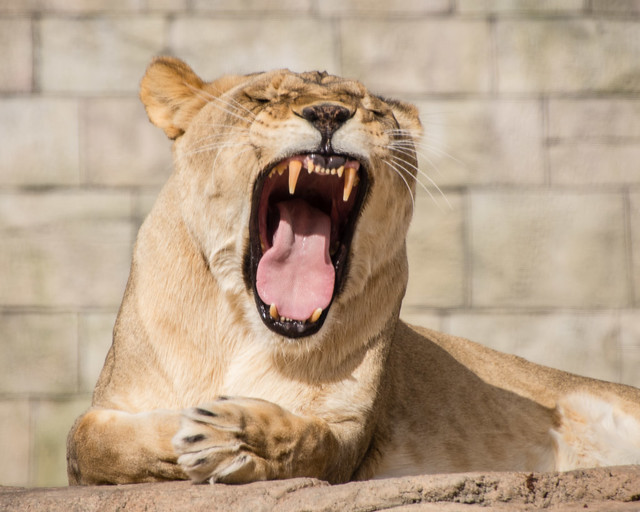
The lion looks fierce, but actually it was just yawning.
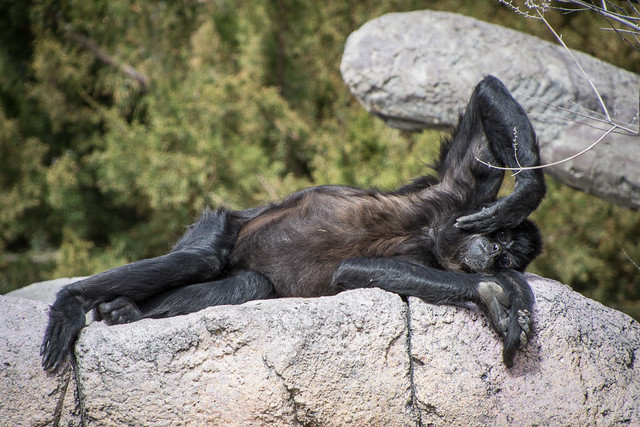
A hard day at the zoo.
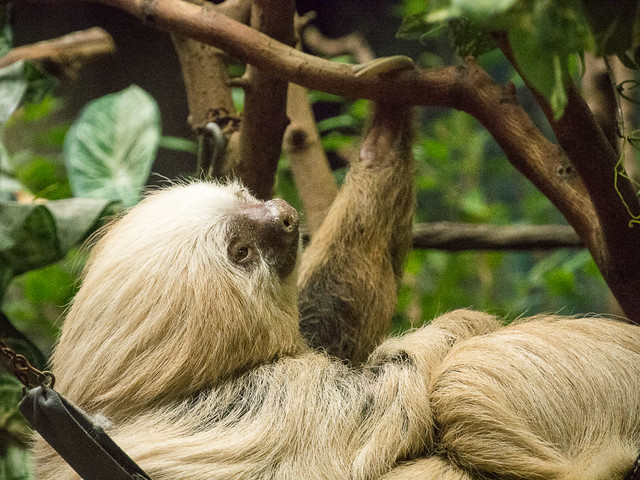
Nice to see the sloth a little closer. In Costa Rica all we saw was vague balls of fur way up in the trees.
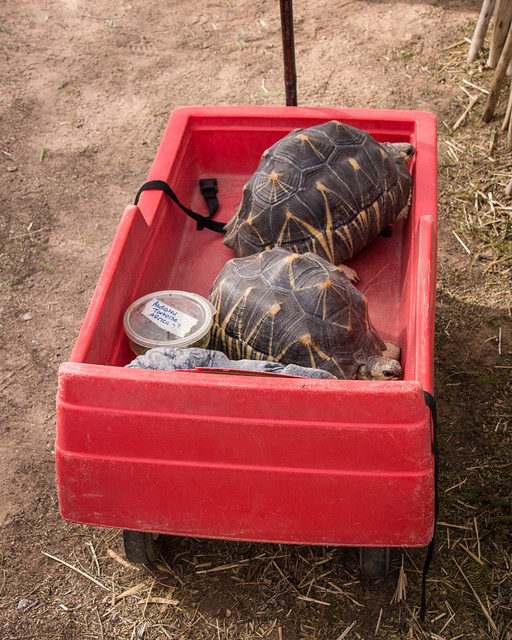
We laughed to see the Radiated tortoises being transported in a little red wagon.
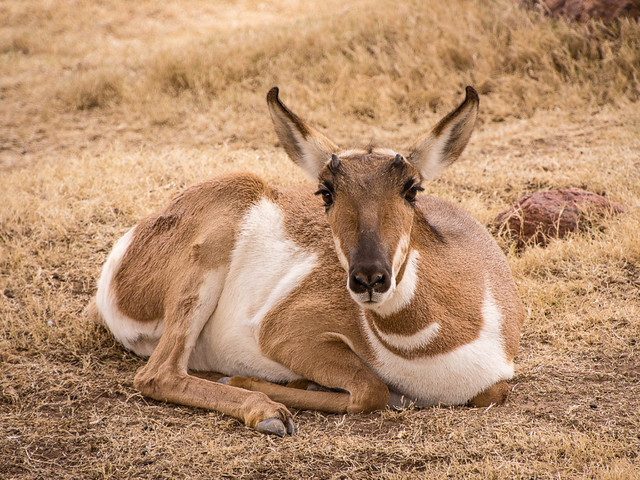
Interesting that there are pronghorn in places as far apart as Saskatchewan and Baja Mexico. Sadly, the Baja peninsular subspecies are critically endangered with less than 200 left in the wild.