Showing posts with label 2023-fall. Show all posts

Monday, February 05, 2024

Sedona

landscape

The landscape around Sedona is impressive, and there are some nice trails, but I wasn't too excited about it this time around. It's very touristy. I think my favorite spot was the Sedona Wetlands Preserve which is part of the Wastewater Treatment Facility. The birds didn't seem to care where the water came from.

Canyon Towhee

Black Phoebe

Ring-necked duck

bulrushes

reflections

White-checkered Skipper ?

dark-eyed junco

I loved the long bushy tail on this Arizona Gray Squirrel.

Arizona Gray squirrel

I think my best find was this striped oak-apple wasp gall. These wasps lay their eggs in oak leaves and cause these galls to form where the wasp larva develops. Most galls I see are drab green or brown, but this one is quite striking with the red stripes.

striped oak-apple gall wasp

sunset

We usually try to avoid driving in the dark, especially in the mountains, but we miscalcuted this time. We probably should have taken a chance on the one campground sign we passed, but we didn't know anything about it or even whether it was open. I had in mind a campground near Prescott that we'd stayed at in the past but when we got there it was full. A second campsite was closed. By this point we were tired and impatient so we picked a hotel. We lucked out with Forest Villa Hotel, which was not too expensive, and had a nice lobby where we could unwind over a glass of wine. And the Highlands Center for Natural History was nearby for us to go for a walk in the morning.

See all 15 photos in this batch

Saturday, February 03, 2024

Boyce Thompson Arboretum

Another favorite spot. Boyce Thompson Arboretum is the oldest (100 years) and largest (392 acres) botanical garden in Arizona, an hour's drive east of Phoenix. It's in the Sonoran desert, but it's along Queen creek so it gets a variety of birds and other wildlife. Some were familiar, like this white crowned sparrow, others we don't get farther north. It's a somewhat random assortment of photos, just whatever I spotted that I could get a decent shot of.

White-crowned sparrow

This spotted orbweaver is similar to the cross orbweavers we get at home.

Western Spotted Orbweaver

These Variegated Meadowhawks were the most common dragonflies we saw on this trip.

Variegated Meadowhawk

Of course, there were lots of different kinds of cactus.

hairy cactus

It wasn't the right time of year for most of the cactus to be flowering but there were a few.

cactus flower

cactus flower

These relatively rare cristate or fasciated variations make interesting patterns.

cristate or fasciated cactus

In the desert, it's not just the cactus that protect themselves with thorns.

thorns

There were enough other flowers to keep the hummingbirds busy. I didn't have a lot of luck photographing them though - they are just too darn fast!

Costa's Hummingbird ?

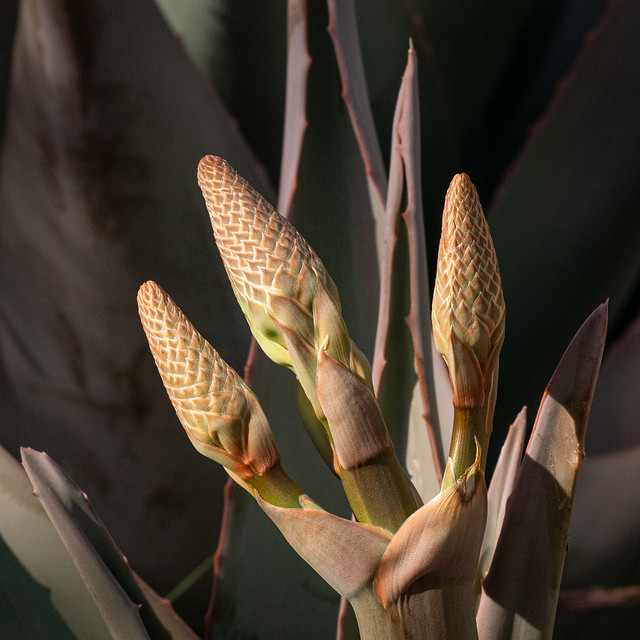
There were also lots of agaves and yuccas. I didn't spot any flowers, but there were flower buds on some of the agaves.

Agave flower buds

Agave

Agave

We followed this Northern Cardinal around for quite a while but it wouldn't come out in the open. This was the best shot I could get.

Northern Cardinal

This wasp was a little more cooperative. I think it's a Tarantula Hawk Wasp, but no one has identified it yet on iNaturalist. Spider wasps sting their prey to paralyze it and then drag it to a burrow where they lay an egg on it, which will hatch and feed on the spider, keeping it alive as long as possible. The brightly colored wings are a warning that they have a powerful sting (one of the most painful insect stings).

Tarantula-hawk wasp ?

This flower is known as Mexican Hat, but I know it better as Prairie Coneflower.

Prairie Coneflower ?

As well as native plants, there are lots of plants from other places, like this Floss Silk Tree from South America. It belongs to the same family as baobobs and other kapok trees. Notice the honey bee approaching.

Floss silk tree flower & bee

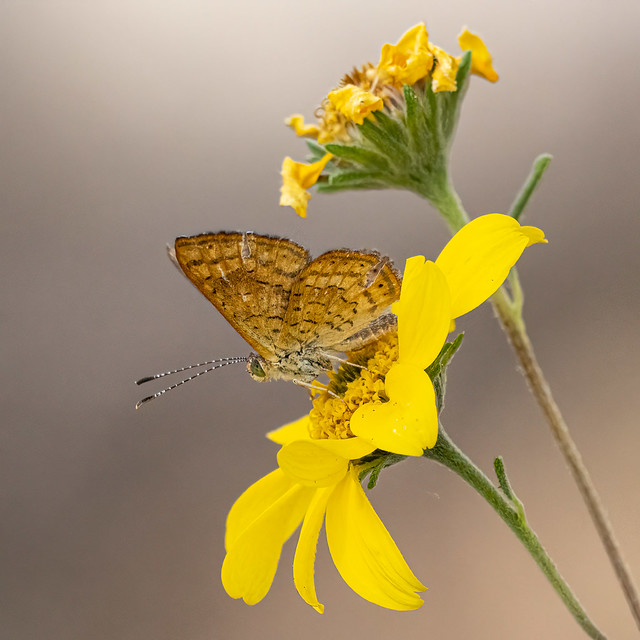
There weren't a lot of butterflies around but this Fatal Metalmark was a new one to me. I didn't notice any metallic spots on its wings, but it was bit worn and ragged, probably overwintering?

Fatal Metalmark

Painted Ladies are more common. I think I like the undersides of their wings better than the top.

Painted Lady butterfly

I'm not sure what this flower was.

flower

See also Shelley's blog post

See all 48 photos in this batch

Tuesday, January 16, 2024

Road Trip Day 14, 15 - Chiricahua Mountains

landscape

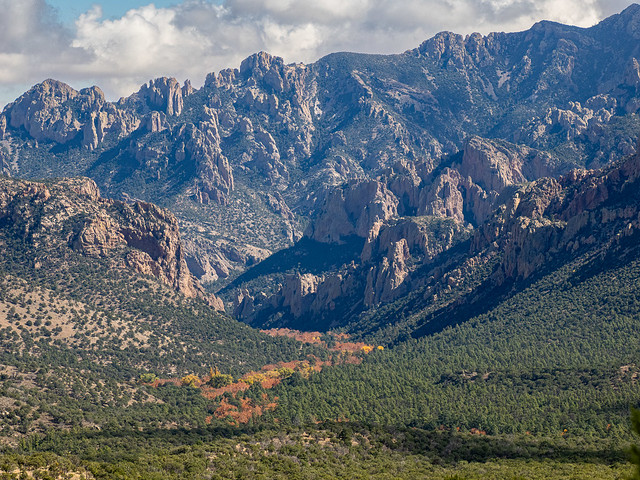
The Chiricahua Mountains are in the south east corner of Arizona. They are sometimes referred to as one of the "sky islands", rising 6000 feet above the desert around them. This gives them a variety of climates - five of the nine different life zones are found here. The area attracts bird watchers to see the 375 species of birds. Perhaps the last jaguar in the United States is found here.

There is a surrounding national forest, a wilderness area, and a smaller national monument. I think the monument on the west side is probably the more popular part but I met some people who had a home in Portal on the east side, so that's where we've visited before and did again on this trip. This was the only place we spent two nights in the same place on this trip. It was relatively quiet and we enjoyed some nice hikes.

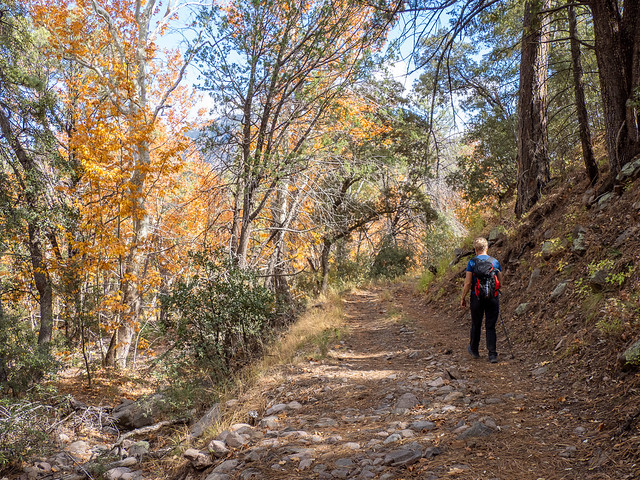
Shelley on trail

I think we saw more birdwatchers than kinds of birds. As much as I like photographing birds, I'm not a serious birder. Mostly we saw Mexican Jays and Acorn Woodpeckers.

Mexican Jay with acorn

Mexican Jay

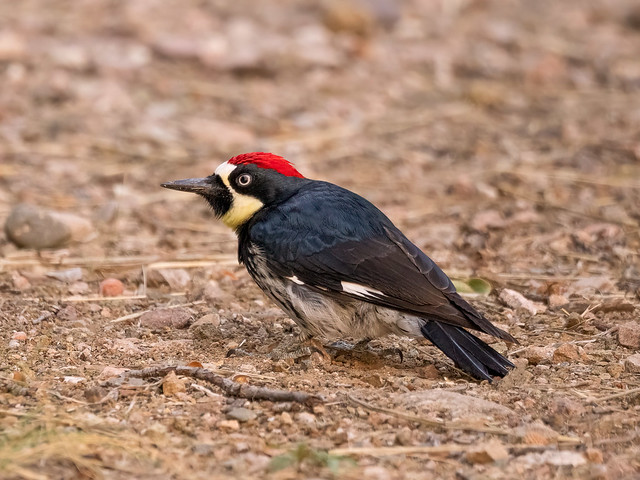
Acorn Woodpecker

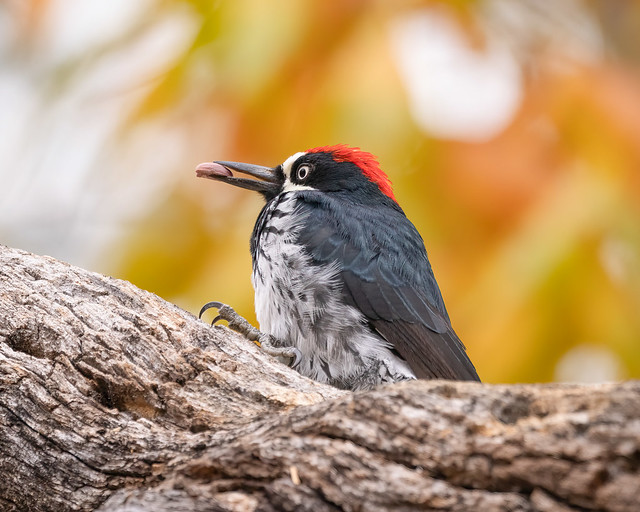
Acorn Woodpecker

Acorn Woodpeckers store their acorns in holes they drill (and reuse) in "granary" trees. As the acorns dry out and shrink they move them to smaller holes, requiring considerable maintenance. They also have to defend them from other birds. They are cooperative breeders living in groups of up to 15 birds.

Acorn Woodpecker

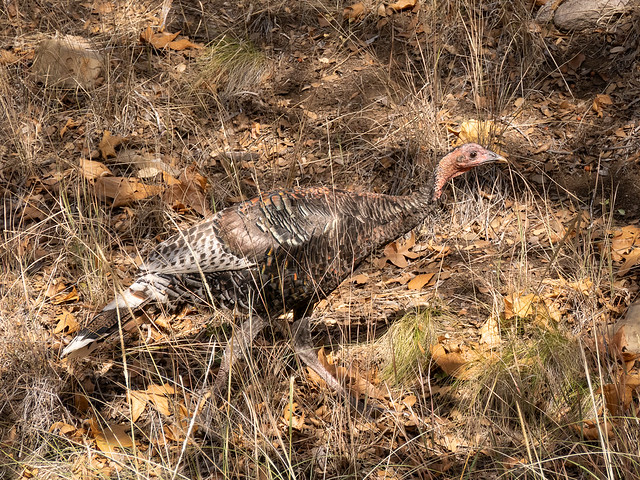
It was fun to watch this group of wild turkeys scratching through the dead leaves. I'm not sure what they were finding to eat - insects? seeds?

wild turkey

There were also some interesting plants. I think these are Mountain Yucca fruit: (roughly pear sized)

Mountain Yucca fruit ?

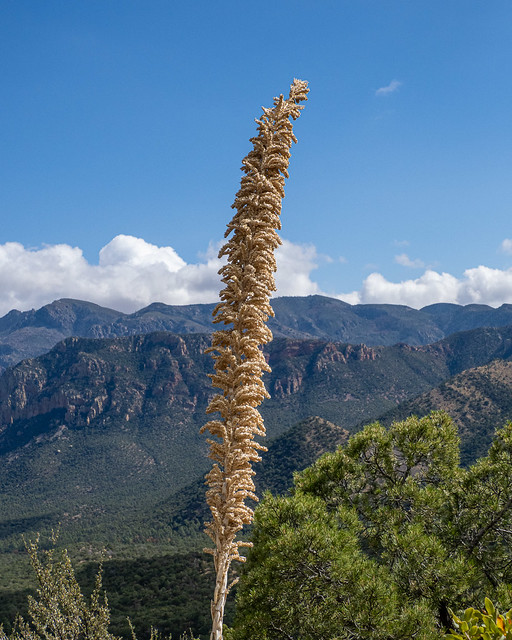
There were some tall agave seed stalks. They are sometimes called "century" plants because they only flower once, at the end of a long life (although not necessarily a century) and then they die. If you shook the stacks the seeds would come raining down.

Shelley & agave seed stalk

yucca seeds

agave

There was a lot of bear poop on one of the trails we were on. Luckily we didn't see any bears. They seemed to be eating a lot of seeds (juniper berries?) which they weren't digesting too well.

bear poop

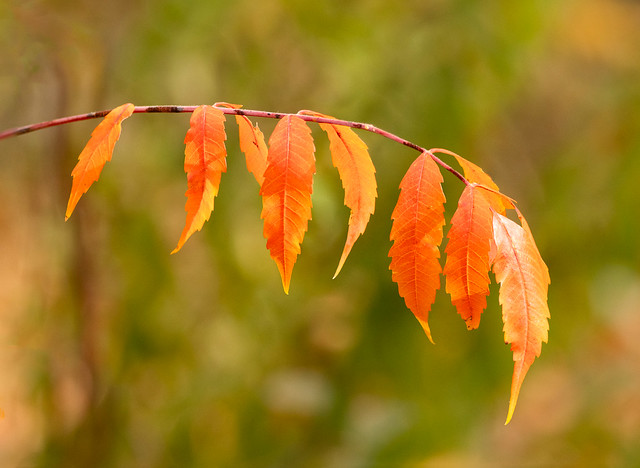
Most of the trees were conifers, but there were enough other trees, especially down by the creeks, to give some nice fall colors.

fall colors

fall colors

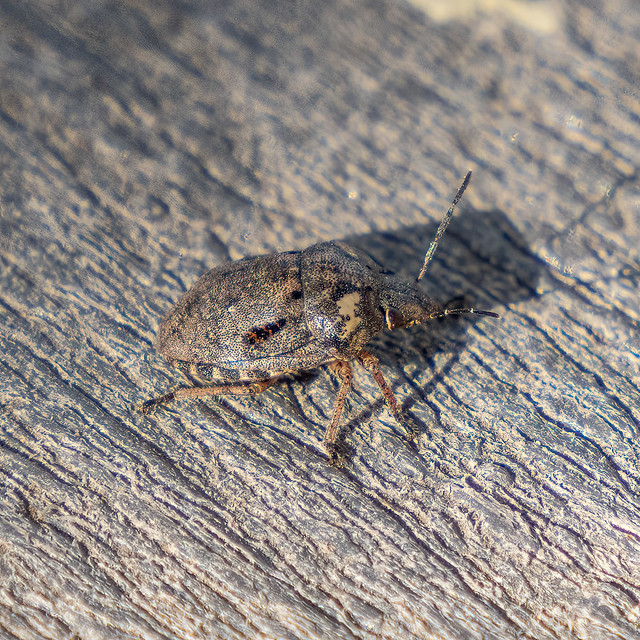
Although it was getting cool at night up in the mountains, there were still a few insects around. Unfortunately no one on iNaturalist has identified this interesting beetle:

beetle

Water striders are tricky to photograph as they tend to zip around constantly. This one happened to pause long enough to catch. (with my long telephoto lens)

water strider

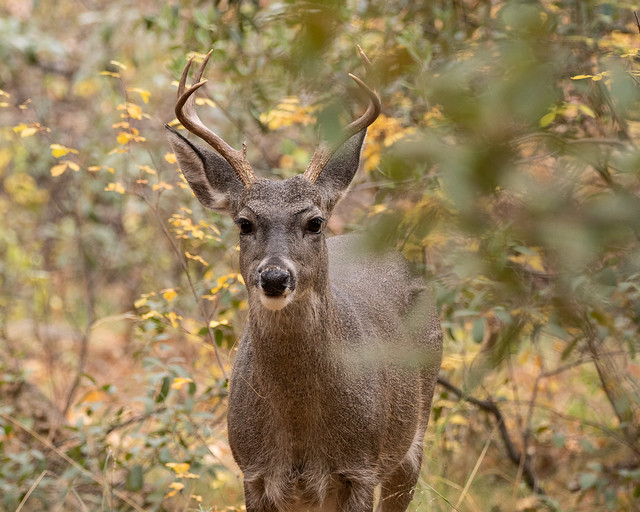
There were lots of deer around, not too concerned about humans. (no hunting here)

White-tailed deer

Also see Shelley's post

See all 37 photos in this batch.

Sunday, December 17, 2023

Road Trip Day 12, 13 - Arizona-Sonora Desert Museum

To quote the website, the Desert Museum is a fusion experience: zoo, botanical garden, art gallery, natural history museum, and aquarium. Near Tucson Arizona, it's almost 100 acres, has 242 kinds of animals and 1200 kinds of plants. We spent a full day here - the afternoon when we arrived, and the next morning. I took over a thousand photos there. (I'll try to restrain myself from inflicting too many of them on you but this is still a long post.)

One of the things I like about ASDM is that there is lots of natural (not captive) wildlife around - birds, insects, lizards.

Gila Woodpecker

Gila Woodpecker taking flight

Arizona Paper Wasp

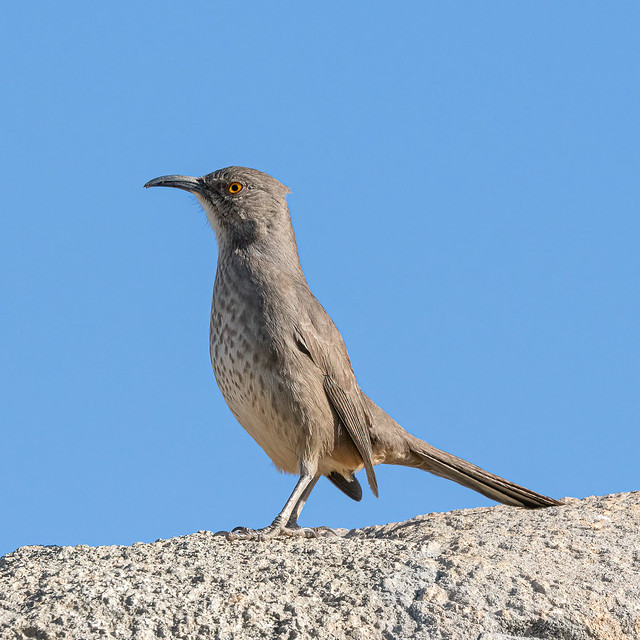
Curve-billed thrasher ?

Spiny-tailed iguana

Cactus Wren

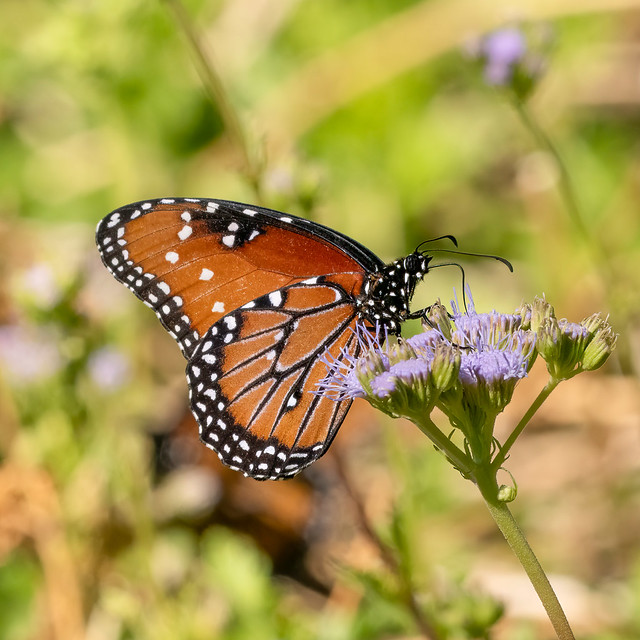
Queen butterfly ?

I'd never heard of an Empress Leilia butterfly until I identified this one with the help of iNaturalist.

Empress Leilia

Of course, there are lots of cactus. You'd have to cover a lot of desert to see this many kinds. Prickly pear are common (even in Saskatchewan), but you don't see the purple ones as often.

Prickly Pear cactus

cactus

Cactus or succulent? Trick question, most cactus are succulents (have fleshy parts to store water).

cactus

cactus

There weren't many flowers around on this trip. Even in the southwest, November is quiet. But there were a few cactus flowers.

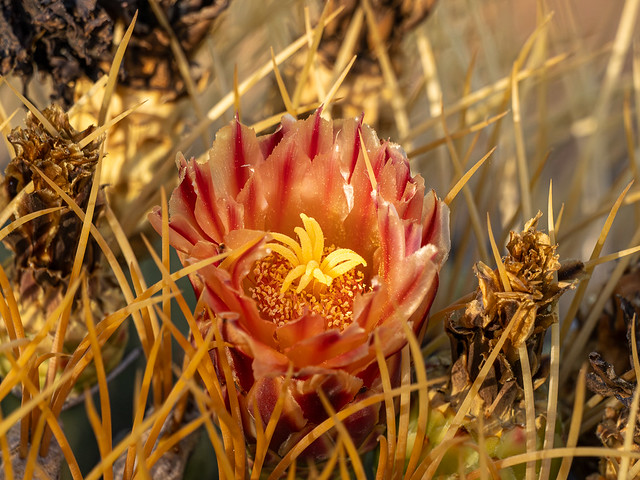
cactus flowers & buds

cactus flower

Ocotillos only have leaves when they've had moisture. Most of the ones we'd seen in the wild were bare. But the ones here had obviously had some water.

ocotillo

There were plenty of agave's as well. I learned that one way to distinguish agave's from yucca's is that agave's have spines on the leaves (like this one).

Agave

One of the highlights was the free flight show. We've seen these other places (like our local Pacific Northwest Raptors) but this was a good one because the birds landed on all sides and quite close to the audience.

Great horned owl

We've seen Crested Caracara (aka Mexican eagles) in the wild but it was nice to get a closer view. They are the second largest falcon after Gyrfalcons.
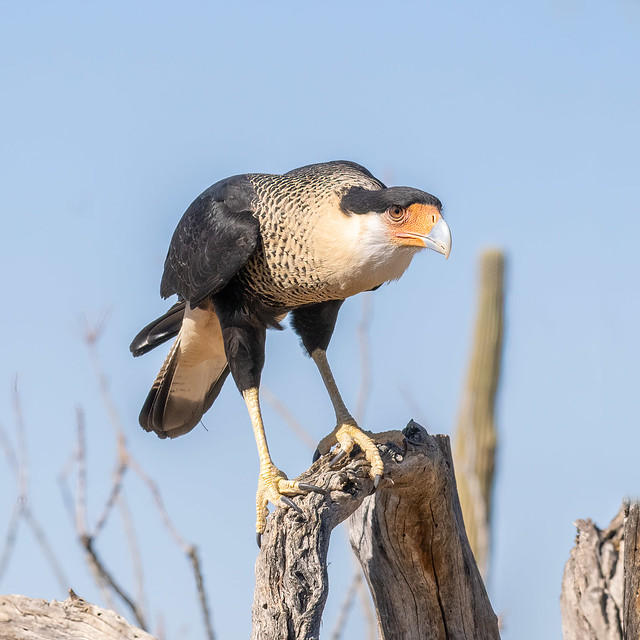
Crested caracara

Harris's Hawks are from the southwest. They are unusual because they hunt in groups whereas most raptors hunt alone. They are common in free flight shows because they are easier to train, perhaps because they are social.

Harris's Hawk

Harris's Hawk

I think the star of the desert bighorn enclosure was the unofficial resident rock squirrel and its impressive rock climbing abilities.

Desert Bighorn Sheep

Rock Squirrel

The bobcat could almost be mistaken for a house cat. It didn't seem as impressive as the one I'd seen in the wild.
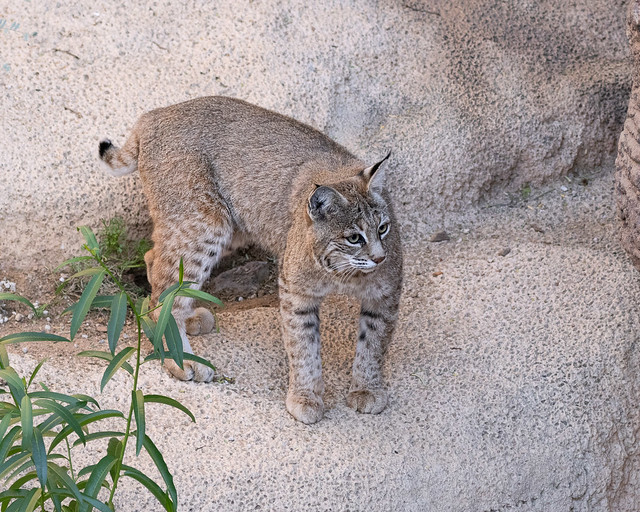
Bobcat

I like Javalinas (Collared Peccaries). Unfortunately, we couldn't get a good view of them because they were sleeping under a bush.(here's a better photo from Big Bend NP in Texas)

javalina

When we arrived the second morning we were greeted by this handsome American Kestrel. At the opposite end of the size scale from the Caracara, they are the smallest falcon.
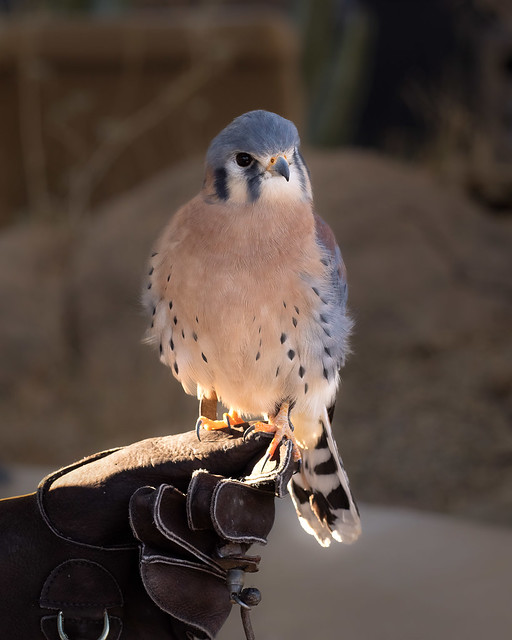
American Kestrel

We visited the hummingbird aviary first thing in the morning, before it got busy. As usual, they weren't especially cooperative, but we still managed a few photos.

Rufous Hummingbird

Anna's hummingbird

hummingbird

We had seen on the map that there was a campground nearby (Gilbert Ray), which seemed perfect for visiting the museum both days. Unfortunately, it was a Friday and to our surprise they were completely booked. Weekends can be tricky when you're not booking anything in advance since winter isn't really off-season. We were sitting in the van outside the campground office searching the internet for last minute alternatives, when the woman came out and knocked on our window. Lucky for us, someone had showed up with a motor-home that wouldn't fit in the site they had reserved and so we got it. You can't beat an evening view like this.

sunset

See also Shelley's post

See all 76 photos in this batch.